A room worth coming home to
Imagine arriving at a home just as daylight begins to fade. A stone table catches the last brightness from the garden; a lamp draws a small circle of light around a chair. Somewhere beyond the living room, dinner is being prepared, but the sounds are softened by curtains and upholstery. Nothing demands to be admired immediately. There is room to put down a bag, settle into a seat and allow the evening to begin. This imagined arrival offers a useful way to think about luxury interiors in 2027: through the quality of the experience they make possible.
The emerging interior design trends for 2027 suggest growing interest in tactile materials, deeper colour, expressive craftsmanship and rooms that accommodate changing routines. These are forecasts, rather than a settled account of the year ahead. Read together, however, they raise a worthwhile professional question: how can a home or hotel feel distinctive while remaining comfortable, useful and convincing over time? At Lise Luxury, we approach that question through the relationship between sculptural objects, natural materials and the spaces people inhabit. The most compelling direction is an interior whose character becomes clearer the longer someone stays.
1 Luxury begins with the material beneath the hand
A photograph can describe the colour of timber; it cannot quite convey the pleasure of touching a carefully finished edge. That difference matters in a culture saturated with interior imagery. In a 2027 forecast published by the British Institute of Interior Design, Havwoods’ Paul Moody identifies a renewed appreciation for natural variation and craftsmanship. His perspective comes from a timber supplier, rather than an independent market survey, but it articulates a useful design ambition: allow materials to retain the qualities that make them recognisable. Grain, tonal variation and evidence of making can give a restrained room considerable depth. [1]
For a designer, the task is to compose those qualities rather than accumulate them. A strongly figured stone surface may need quieter joinery beside it; a richly grained cabinet can benefit from a fabric that provides softness without another competing pattern. Samples deserve to be considered together, at useful scale and under the light the room will actually receive. In hospitality, that conversation must also include cleaning methods, replacement availability and the demands of repeated use. Material authenticity becomes persuasive when beauty and specification support one another, including an honest account of where a material comes from and how it will age.
In pictures · Trend 1
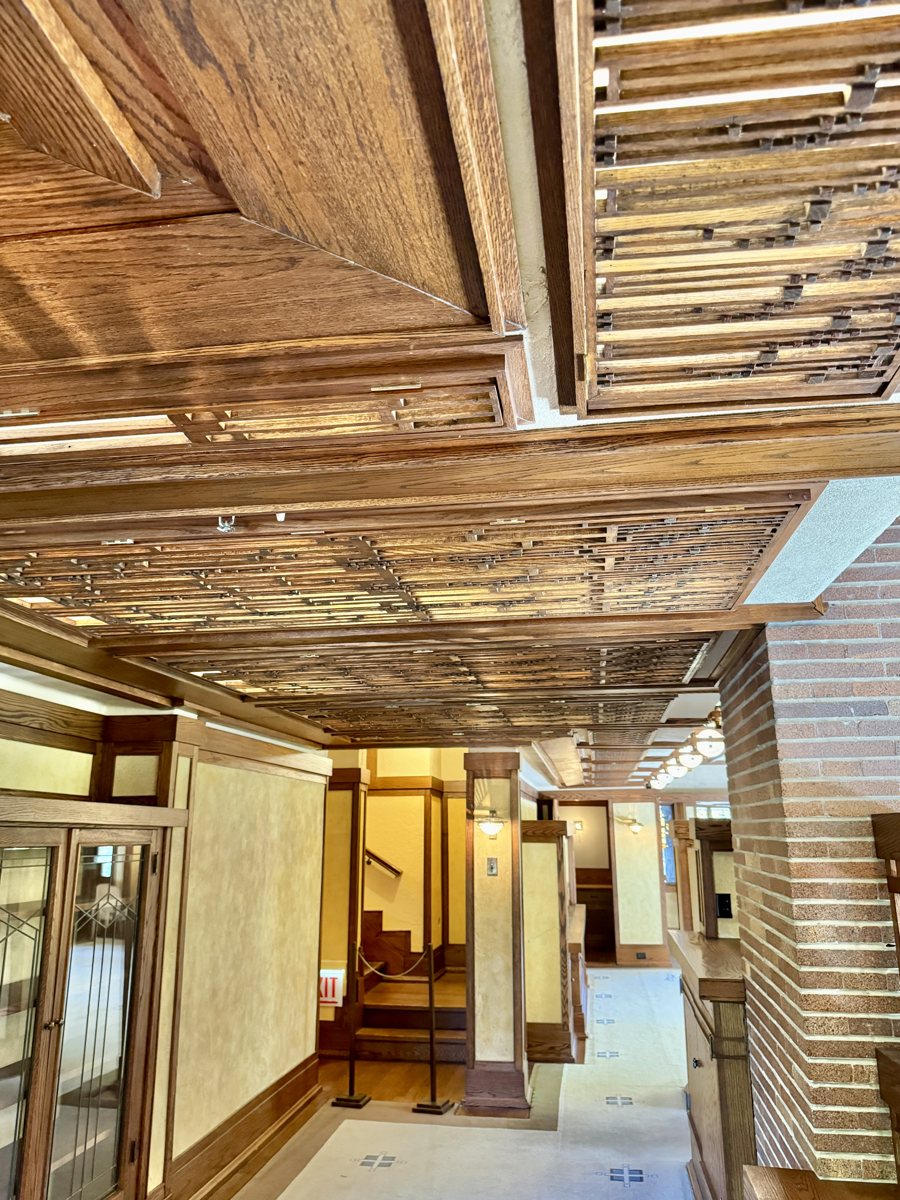
Architecture: Frank Lloyd Wright.
Photograph: w_lemay. CC BY-SA 2.0.
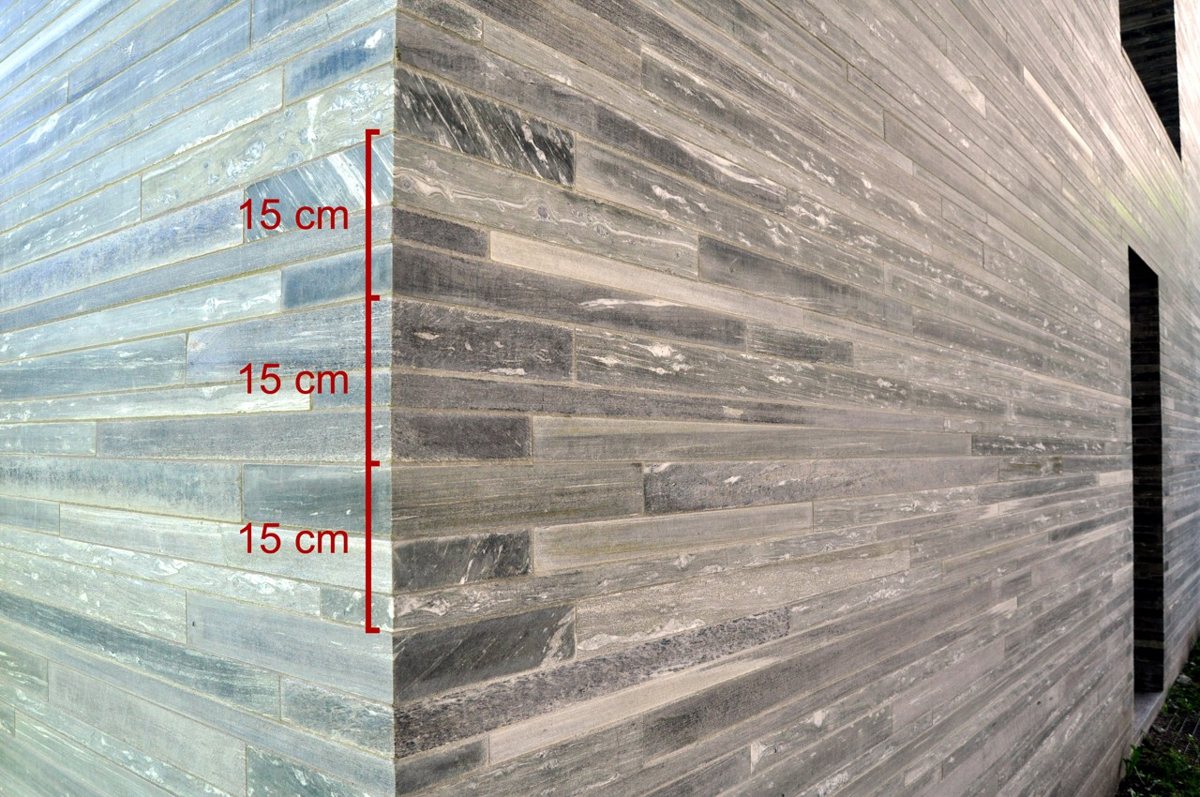
Architecture: Peter Zumthor.
Photograph: Micha L. Rieser. Attribution.
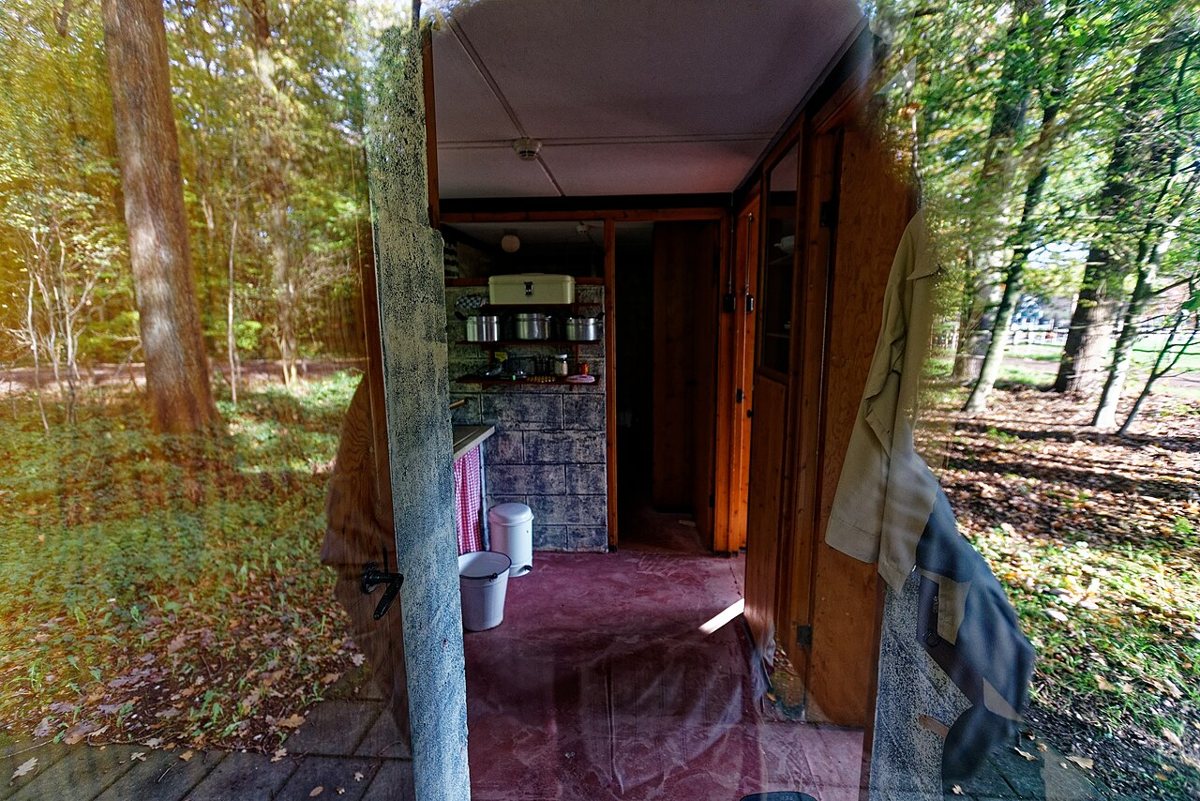
Architecture and original interior design: Gerrit Rietveld. Netherlands Open Air Museum.
Photograph: Txllxt TxllxT. CC BY-SA 4.0.
2 Quiet luxury gains colour and personal character
A calm interior need not be pale. Dunn-Edwards’ selection of French Press Coffee as its 2027 Colour of the Year offers one specific signal of interest in deeper neutrals: a dark brown with a plum undertone. It is a manufacturer’s forecast, not evidence that every market is adopting the same palette. Dutch forecaster Titia Huisman’s ATHOME Spring Summer 2027 directions also make room for ornament, cultural references and expressive materials. Together, these sources suggest a broader field of possibilities than the familiar combination of cream walls and matching beige furniture. [2], [3]
In practice, colour can lend a room intimacy and help distinguish its different uses. A darker library might sit beside a brighter dining space, while a single upholstered piece introduces a note that relates to a painting or an inherited object. The right balance depends on daylight, scale and the client’s preferences. An architect may consider colour as part of the sequence between rooms; an interior designer may use it to bring otherwise disparate possessions into a coherent composition. Both approaches make space for biography. A room can be composed with discipline and still reveal the people who belong there.
In pictures · Trend 2
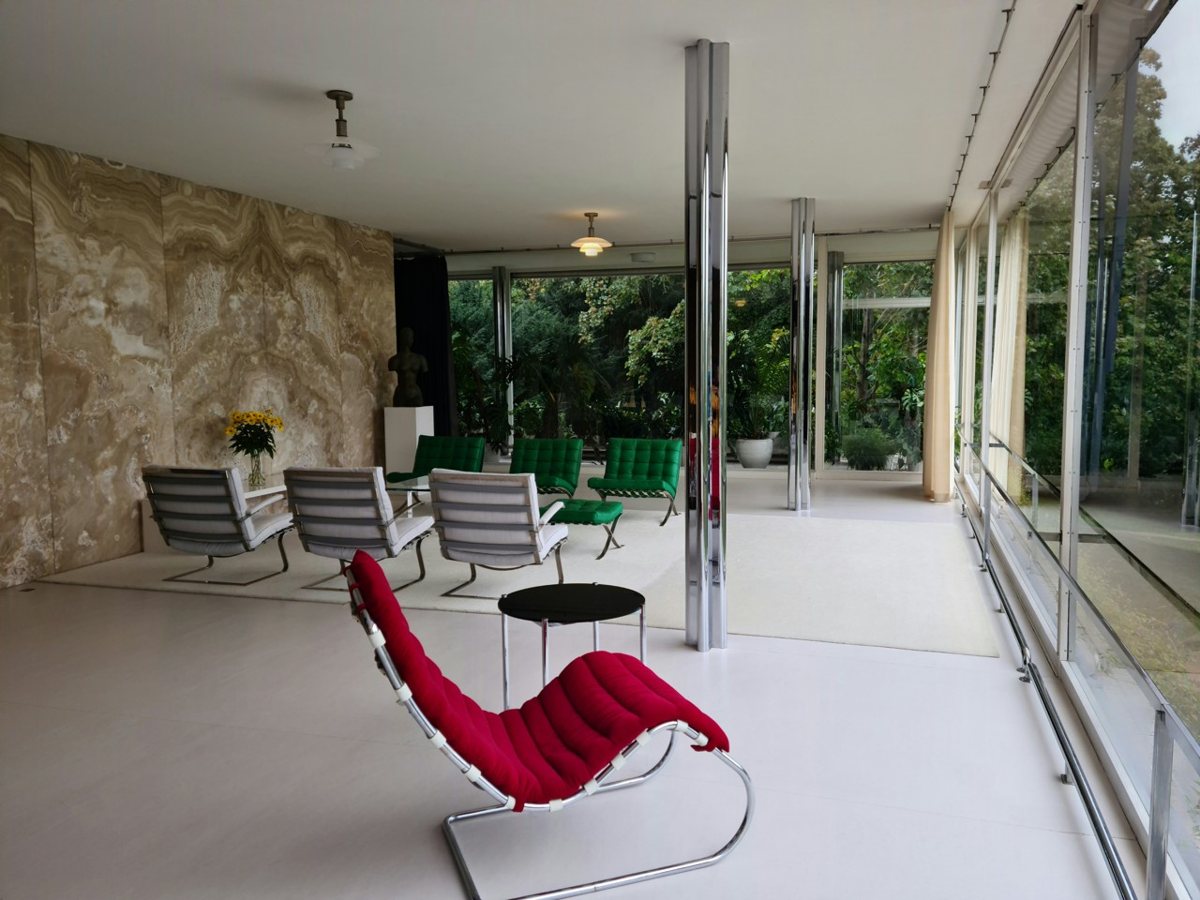
Architecture: Ludwig Mies van der Rohe. Furnishings: Mies, Lilly Reich and Sergius Ruegenberg.
Photograph: JensKunstfreund. CC BY-SA 4.0.
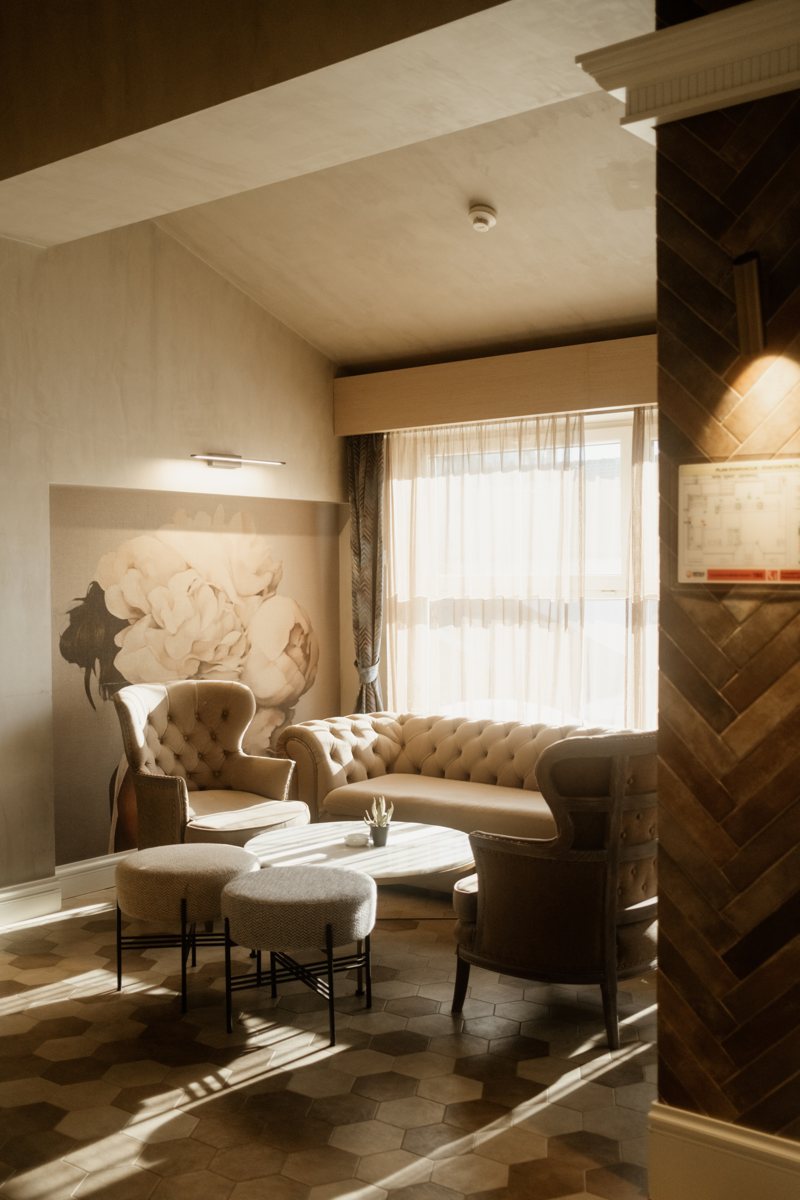
Photograph: Shixart1985. CC BY 2.0.
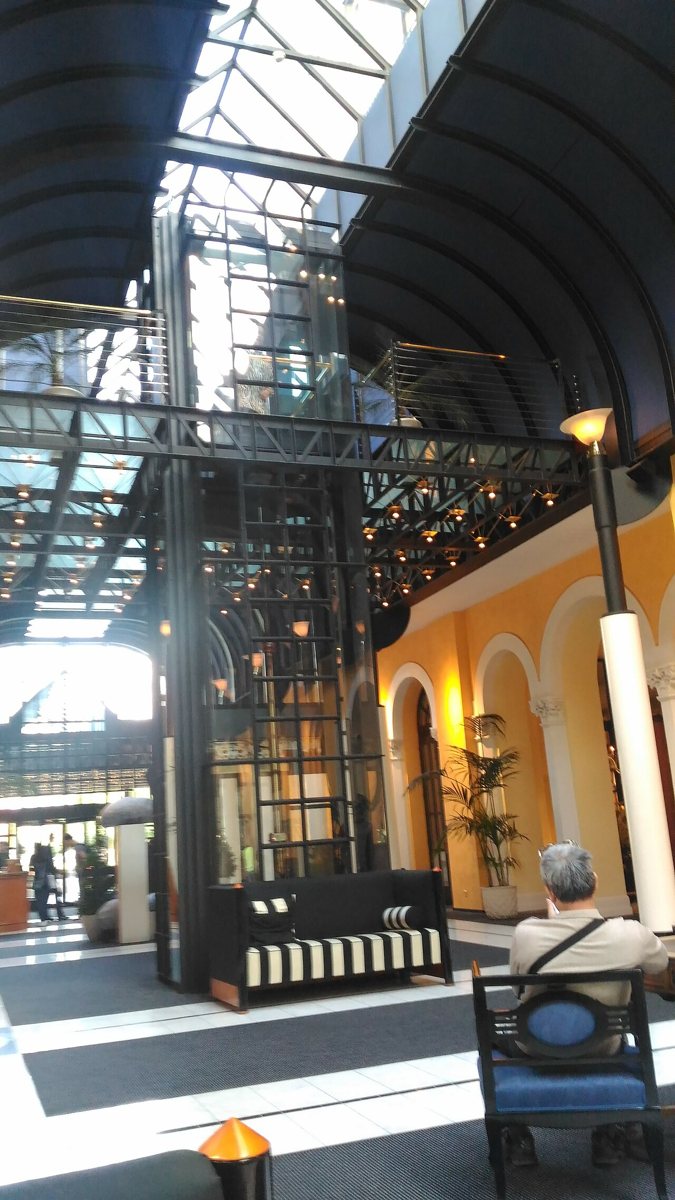
Photograph: Cbliu. CC BY-SA 4.0.
3 Natural stone becomes part of the spatial story
There is a reason a memorable stone surface can hold a room together. Its pattern has its own scale, direction and rhythm, giving the surrounding furniture something to respond to. At Villa Tugendhat in Brno, the relationship between the onyx partition, timber and furnishings remains an instructive historical example. The villa’s own documentation credits Ludwig Mies van der Rohe alongside Lilly Reich and Sergius Ruegenberg for the interior furnishings, and records Reich’s substantial contribution to materials and textile colour. Remembering that collaboration gives a fuller account of how an apparently effortless interior is made. [4]
The contemporary lesson is to give stone a clear purpose within the plan. An island might anchor a kitchen; a fireplace surround might establish the centre of a sitting area; a table might introduce a smaller moment of visual weight. Before choosing the most dramatic slab, consider the view from the entrance, the alignment of joints, the edge detail and the surfaces that will meet it. Stone selection also needs to suit its intended use, with care requirements confirmed by the supplier. Lise Luxury’s Majestic Marble collection provides a starting point for exploring that relationship between an individual piece and the larger interior.
In pictures · Trend 3
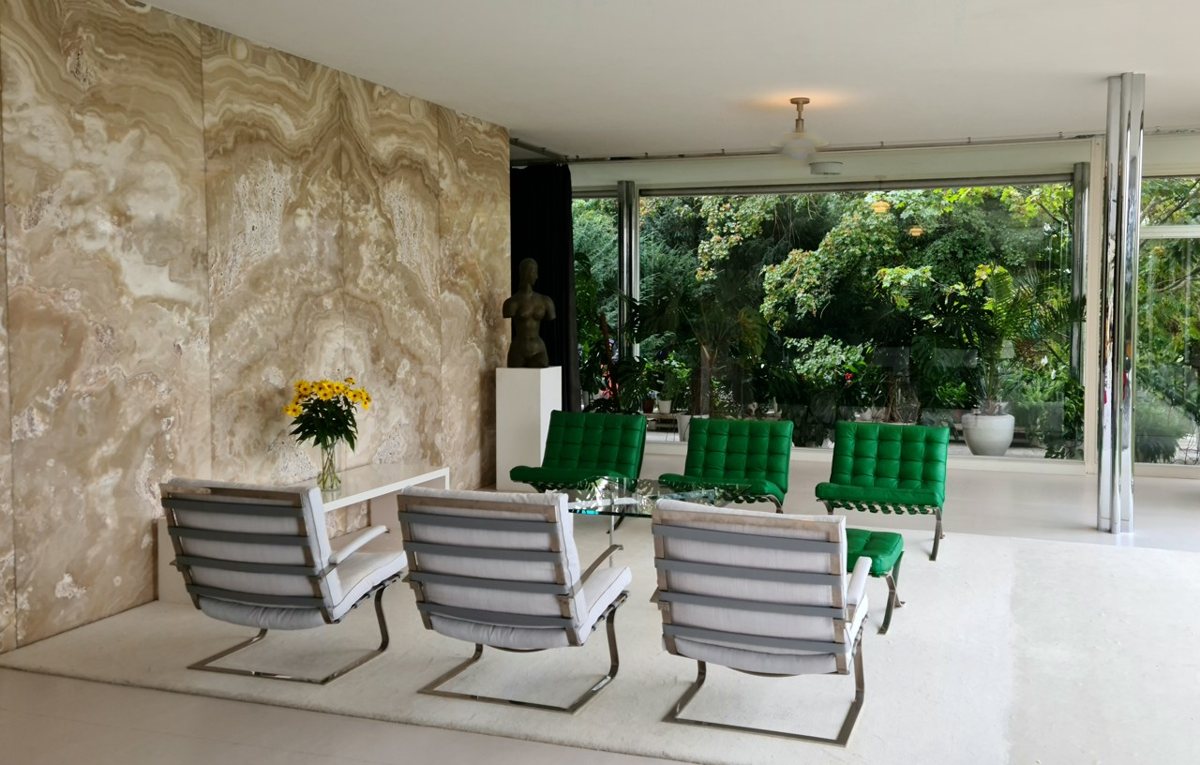
Architecture: Ludwig Mies van der Rohe. Furnishings: Mies, Lilly Reich and Sergius Ruegenberg.
Photograph: JensKunstfreund. CC BY-SA 4.0.
Architecture: Peter Zumthor.
Photograph: Micha L. Rieser. Attribution.
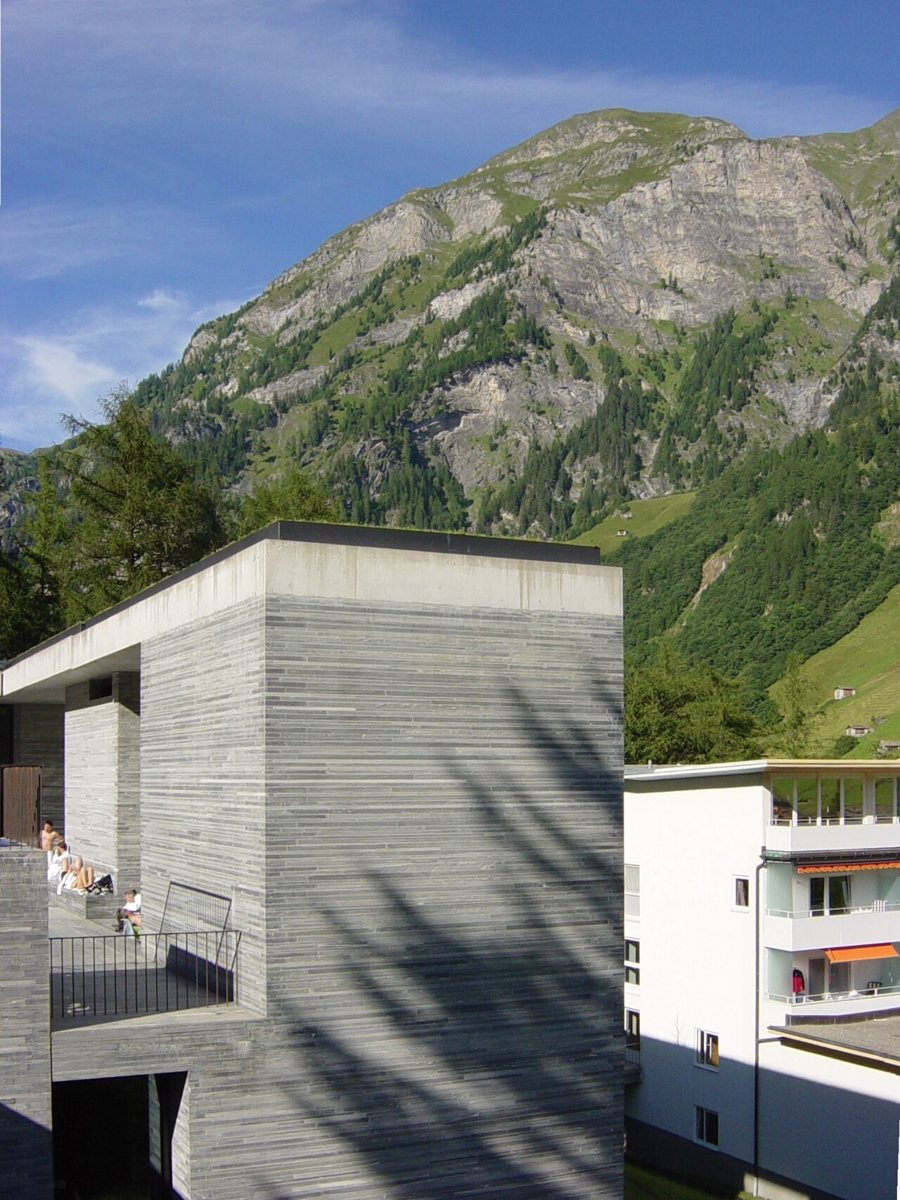
Architecture: Peter Zumthor.
Photograph: Gunnar Klack. CC BY-SA 4.0.
4 Lighting shapes the room throughout the day
Return to our imagined arrival at dusk. The room has not changed its furniture, yet its emphasis has shifted: the garden is becoming darker, the table less prominent, the chair more inviting. Lutron’s 2026 luxury residential report places lighting, shading and controls at the centre of personalisation and everyday experience. Its findings draw on commissioned surveys, alongside company sales and product data, and should be understood in that context. They nevertheless reinforce an important professional principle: lighting belongs in the early design conversation, when decisions about windows, furniture and electrical provision can still be coordinated. [5]
A sculptural pendant offers presence, but it is only one part of the scheme. Light for reading, illumination of vertical surfaces and lower levels for evening use allow a room to support different activities. Controls should be understandable to a first-time hotel guest as well as a homeowner who knows every switch. Designers can review glare from the actual seated positions and test how finishes respond before committing to the final arrangement. When exploring statement lighting, the useful question is therefore twofold: what does the fitting contribute as an object, and what does its light allow someone to do?
In pictures · Trend 4
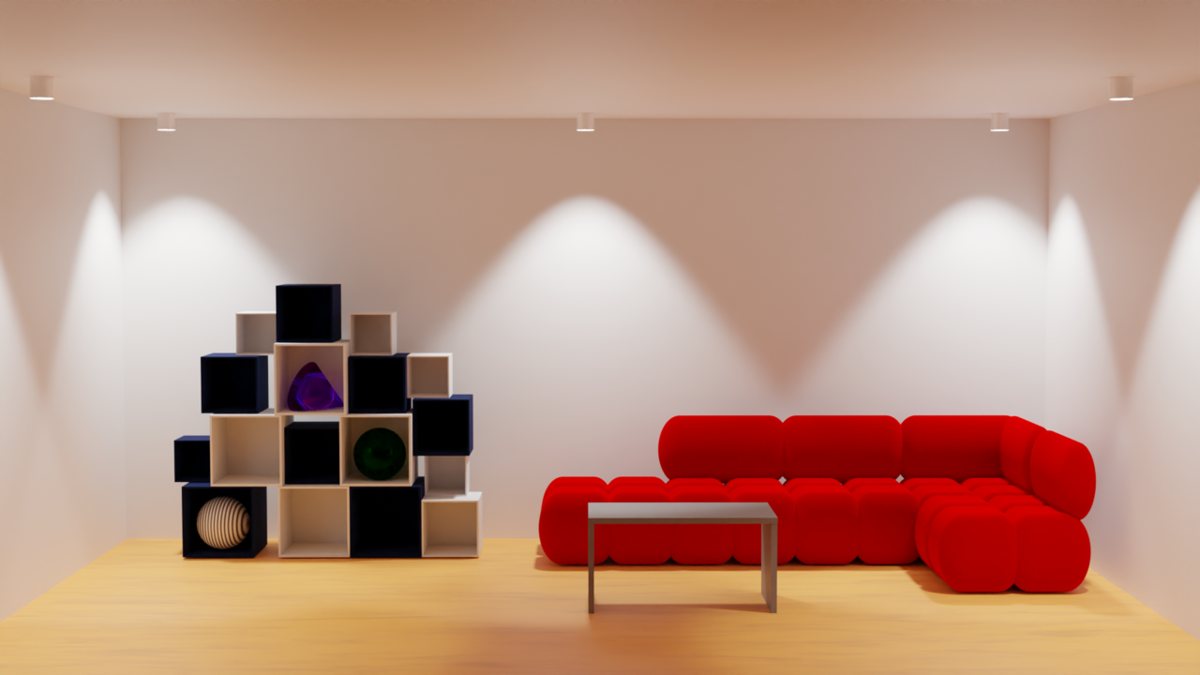
Visualisation: Stilfehler. CC BY-SA 4.0.
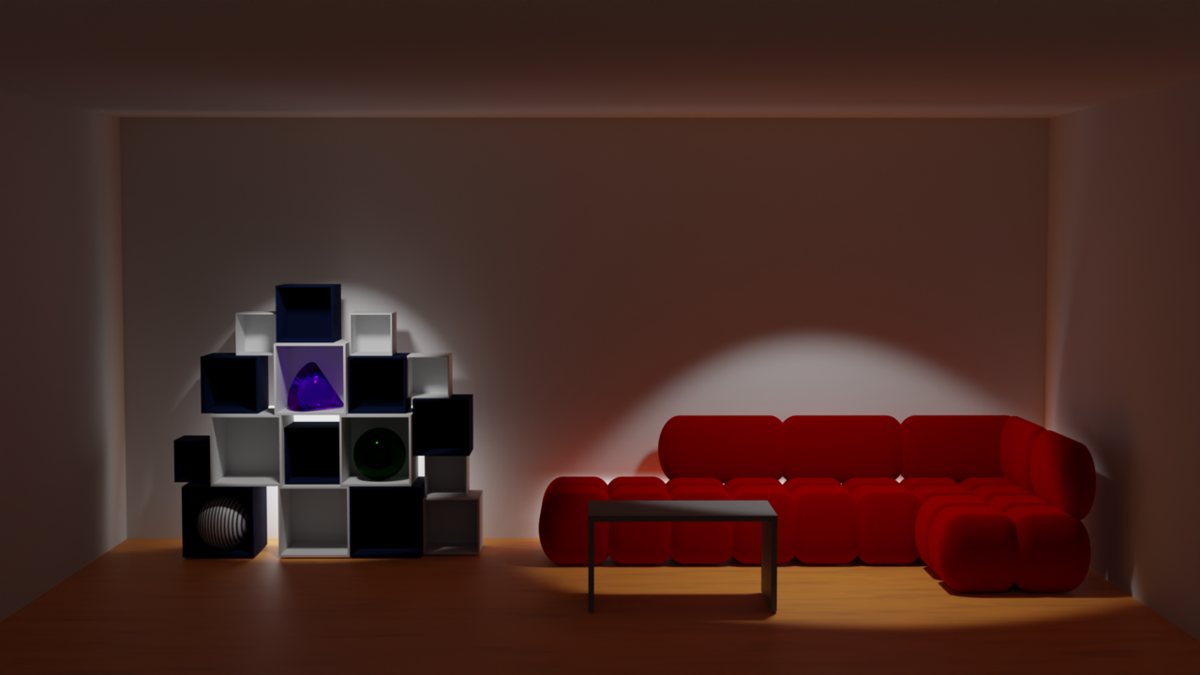
Visualisation: Stilfehler. CC BY-SA 4.0.
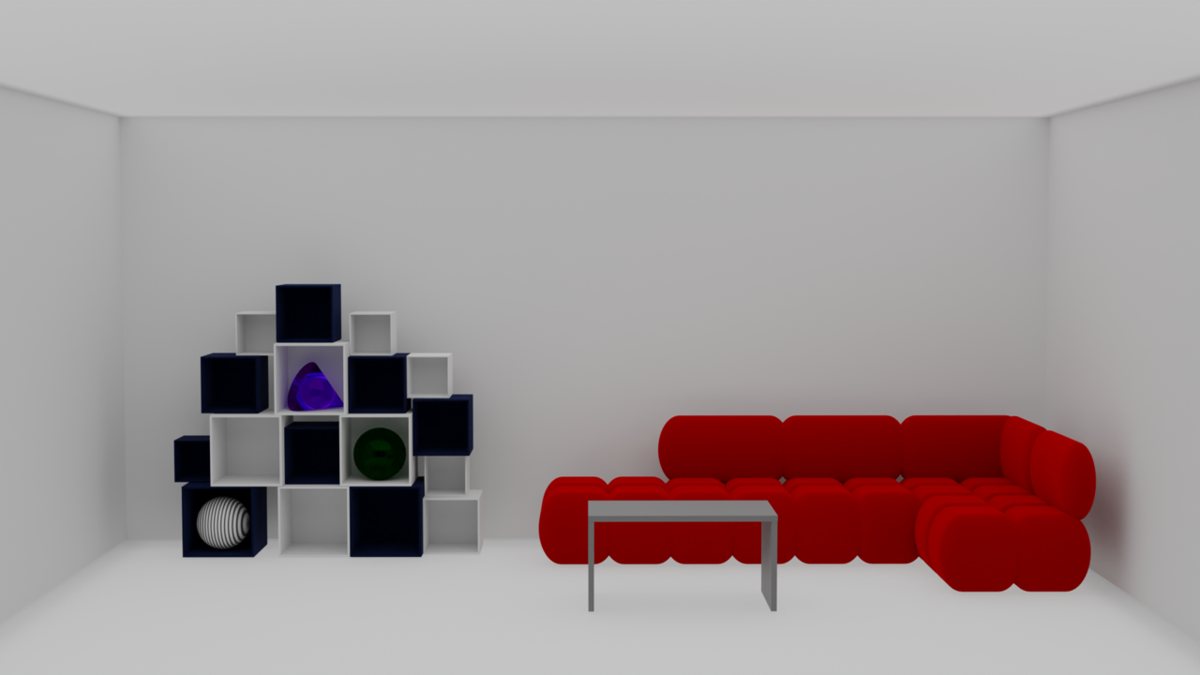
Visualisation: Stilfehler. CC BY-SA 4.0.
5 Sculptural furniture earns its place through comfort
The appeal of a curved sofa or substantial armchair is partly visual: its silhouette gives an interior a recognisable centre of gravity. Yet a beautiful outline cannot tell us whether the seat supports a long conversation or whether someone can rise from it comfortably. ATHOME’s Magna Forma forecast explores larger, softened volumes and tactile presence, offering a useful lens for considering furniture with architectural weight. Our interpretation is that such pieces succeed when their physical generosity is matched by careful attention to human scale. Their presence should make the room more welcoming. [6]
That requires looking beyond a product image. Seat depth, back support, upholstery, circulation and the relationship to neighbouring tables all influence use. A generous sofa may work beautifully in a villa and overwhelm a narrow urban room; a modular arrangement may accommodate changing needs if its connections and proportions are well resolved. For hotels, the specification conversation should include suitable performance documentation and a practical route to maintenance. Bespoke dimensions can help a sculptural piece belong to its setting, but the objective remains straightforward: create furniture people want to approach, use and return to.
In pictures · Trend 5
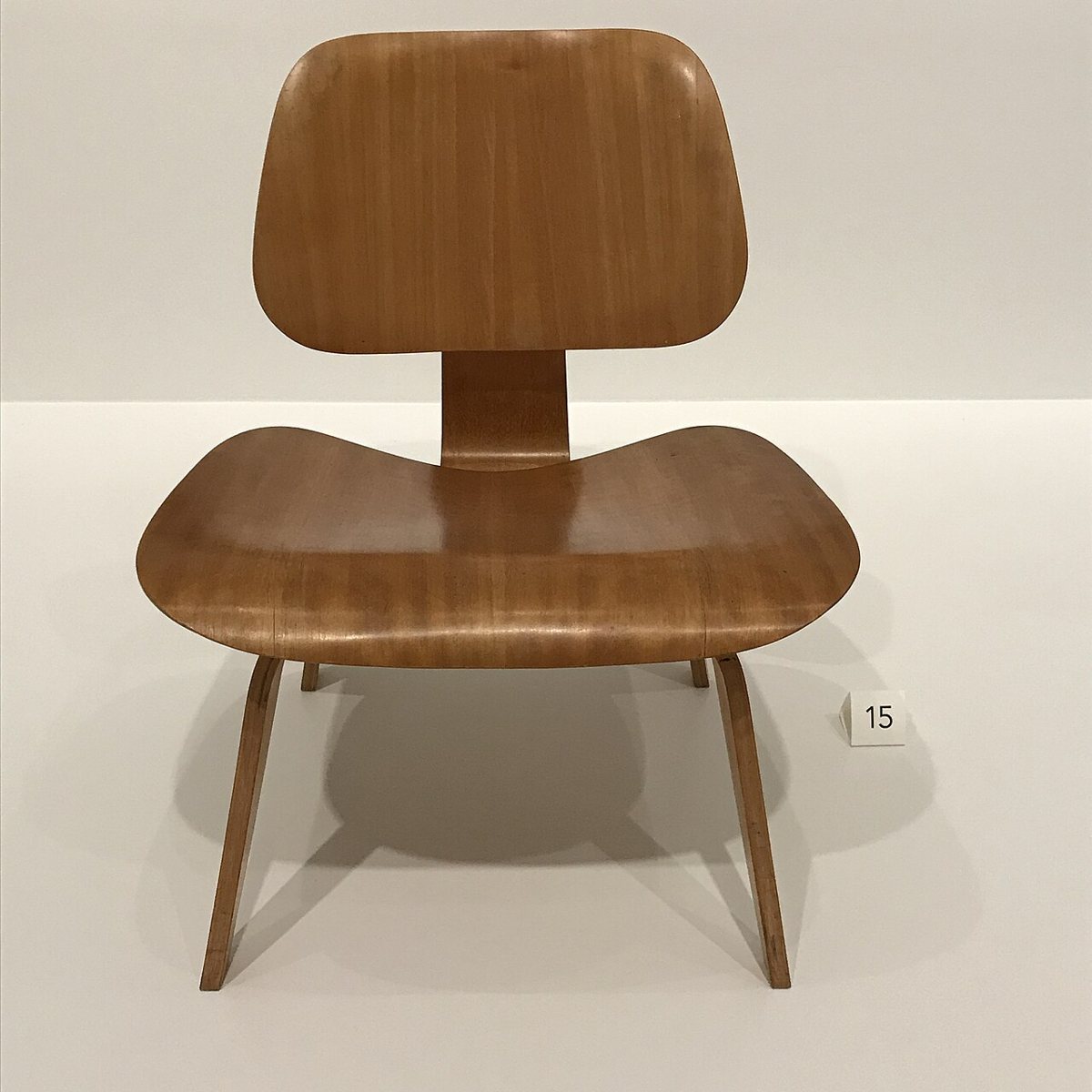
Furniture design: Charles and Ray Eames. Museum display photographed at the Art Institute of Chicago.
Photograph: Daniel Hartwig from San Jose, CA, USA. CC BY 2.0.
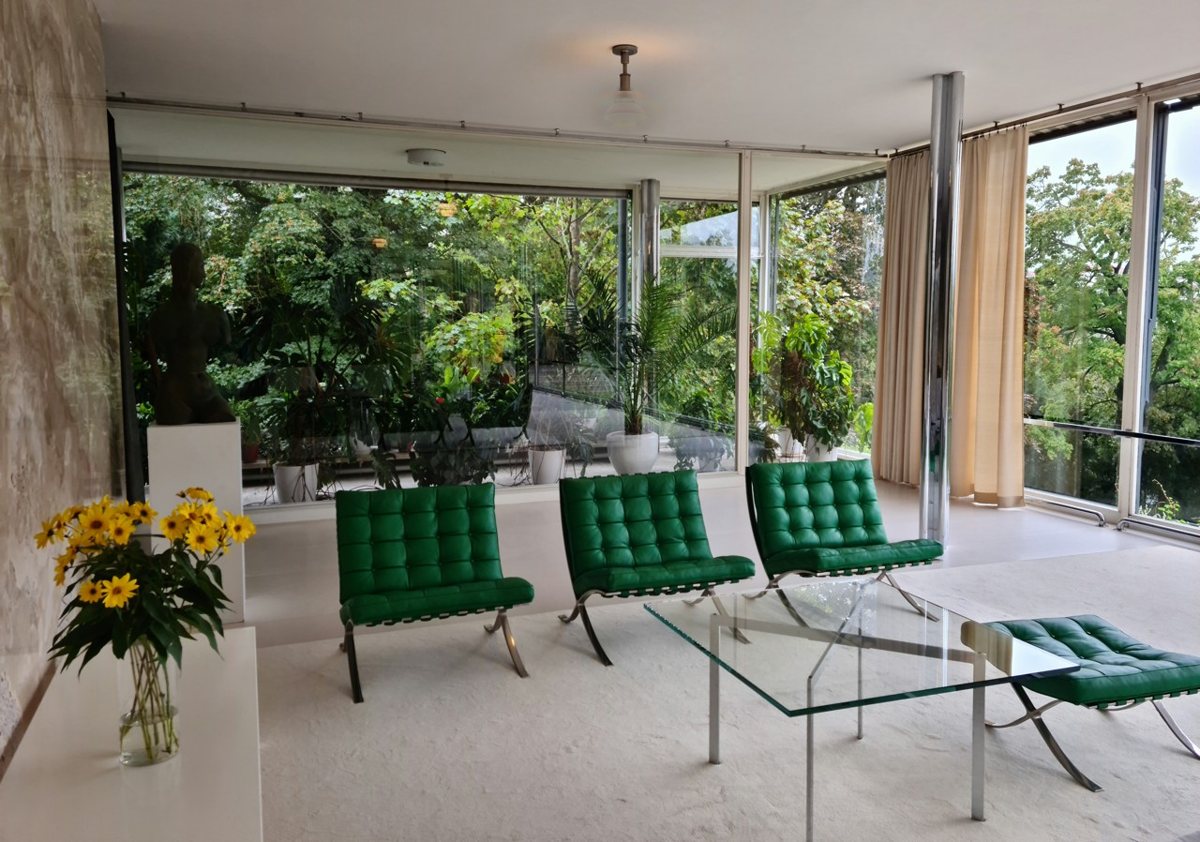
Architecture: Ludwig Mies van der Rohe. Furnishings: Mies, Lilly Reich and Sergius Ruegenberg.
Photograph: JensKunstfreund. CC BY-SA 4.0.
Photograph: Shixart1985. CC BY 2.0.
6 The living room makes space for conversation
One of the most engaging questions in the forecasts concerns what a living room is for. Decorilla’s 2027 outlook highlights seating arranged for interaction, while TrendBible emphasises homes able to adapt as occupants’ needs change. Neither observation requires a dramatic architectural gesture. Often the first step is simply to draw the plan around a conversation: where people sit, where they put a drink, how someone joins the group and where another person can withdraw for quiet. An inviting arrangement depends as much on these small relationships as on its visual coherence. [7], [8]
A pair of chairs facing a sofa can make a social centre without requiring the television to disappear. A movable table may support a game one evening and books the next. In a hotel lounge, smaller seating groups can provide choice within a larger room, including places for a private conversation or a short period of work. For real estate professionals, this gives a more useful way to describe an interior than naming its style alone. Showing how the plan accommodates ordinary life helps prospective occupants understand the space; any claim about financial return would require separate local evidence.
In pictures · Trend 6
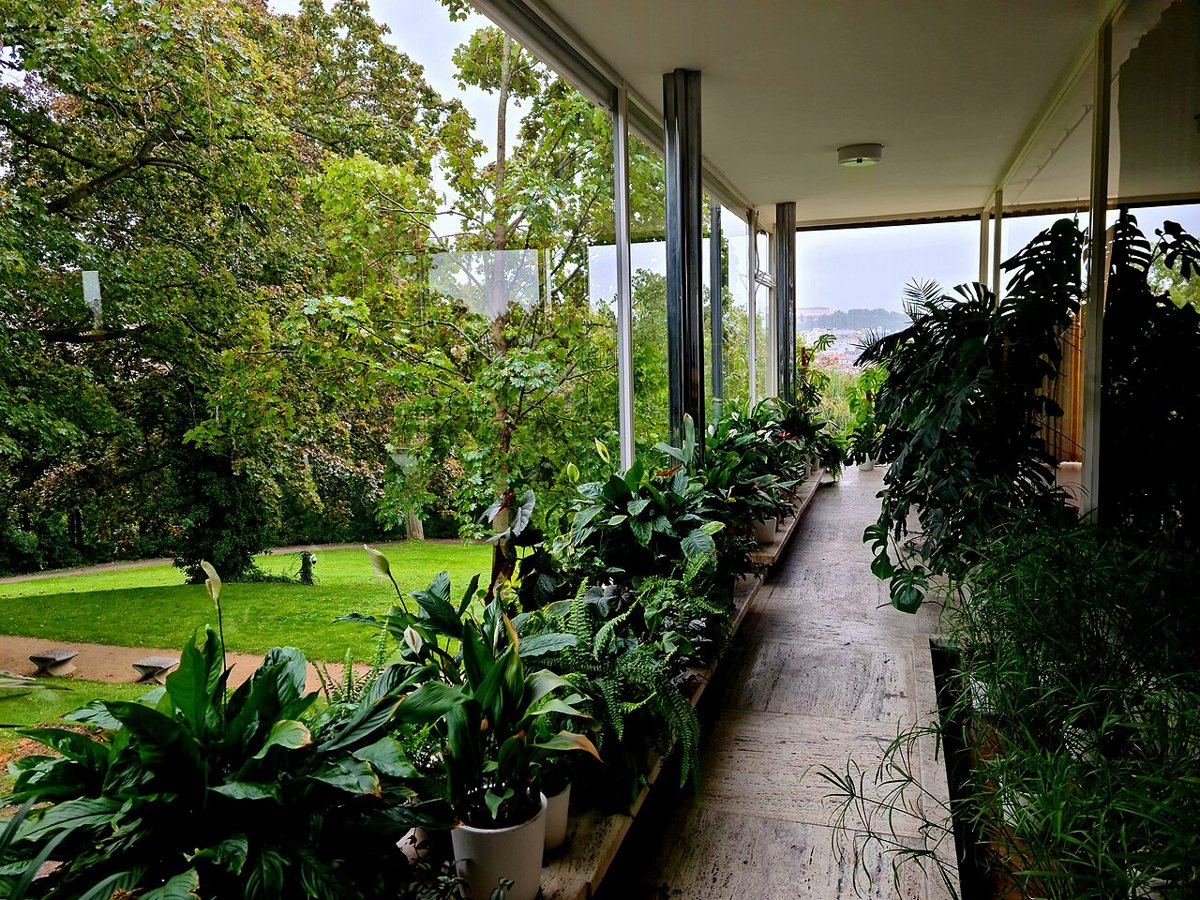
Architecture: Ludwig Mies van der Rohe. Furnishings: Mies, Lilly Reich and Sergius Ruegenberg.
Photograph: JensKunstfreund. CC BY-SA 4.0.
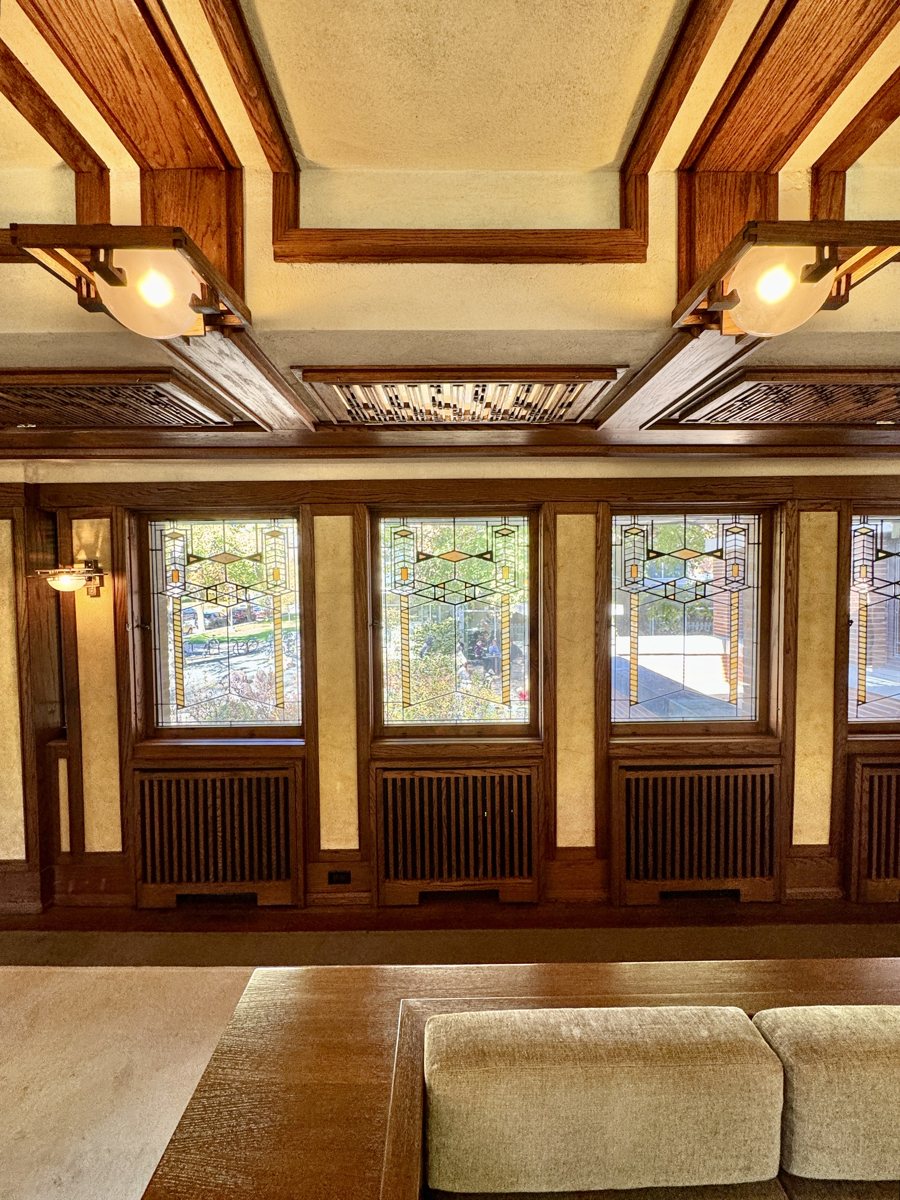
Architecture: Frank Lloyd Wright.
Photograph: w_lemay. CC BY-SA 2.0.
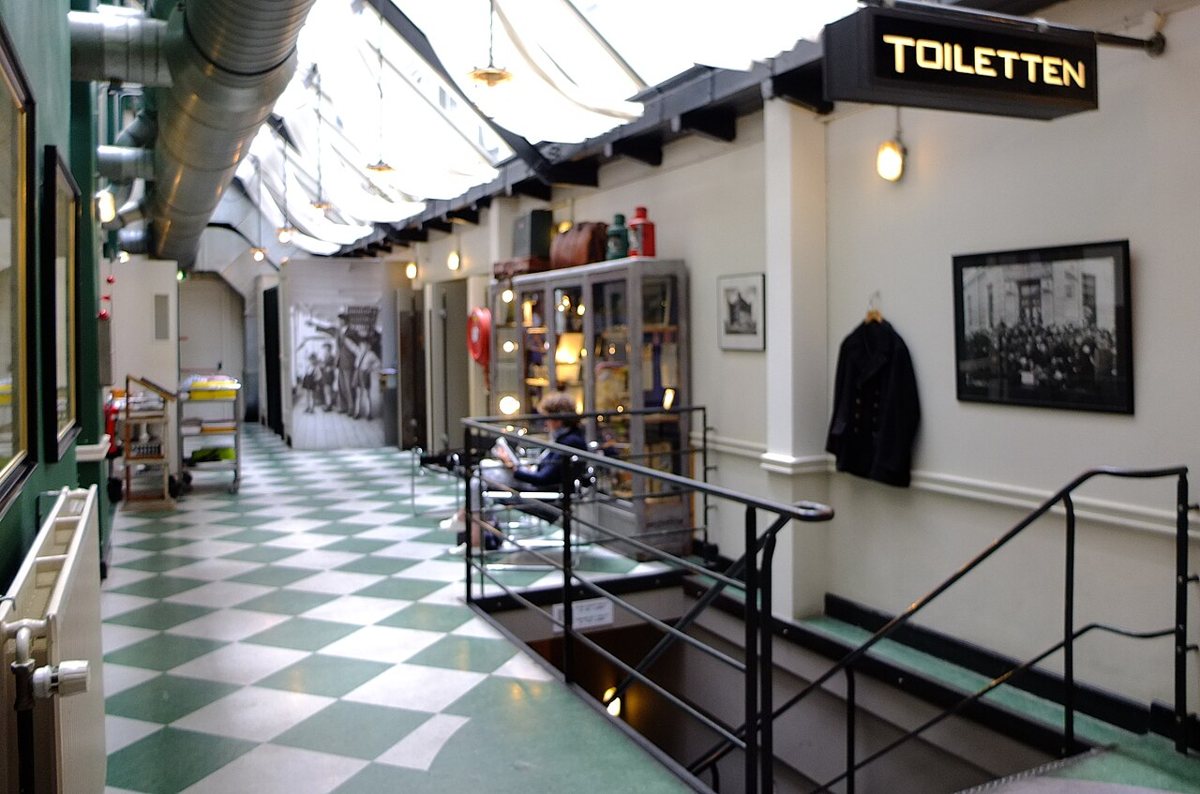
Photograph: G.Lanting. CC BY-SA 4.0.
7 Wellness becomes a question of everyday comfort
Wellness interiors are often illustrated through exceptional amenities, yet their everyday foundation lies in less theatrical decisions. The Global Wellness Institute’s 2026 architecture and design outlook identifies sensory experience and circadian lighting among its directions. As an industry outlook, it provides context for an evolving design conversation rather than proof that a particular room will improve health. For this article, the practical emphasis is on conditions designers can examine: access to daylight, acoustic comfort, ventilation, privacy and the ability to adjust the environment. These belong in the brief before a sauna or treatment room is added. [9]
Peter Zumthor’s thermal baths at Vals offer the emotional presence of stone, light and water. The operator identifies the building’s material as Vals quartzite, linking its atmosphere to a specific place and architectural authorship. The lesson for a home or hotel is not to reproduce the baths in miniature, but to consider how the sequence of spaces supports arrival, pause and retreat. A quiet place to read, a bathroom with considered privacy or an evening lighting setting may carry that thinking into a modest intervention. More complex wellness facilities require their own specialist technical brief. [10]
In pictures · Trend 7
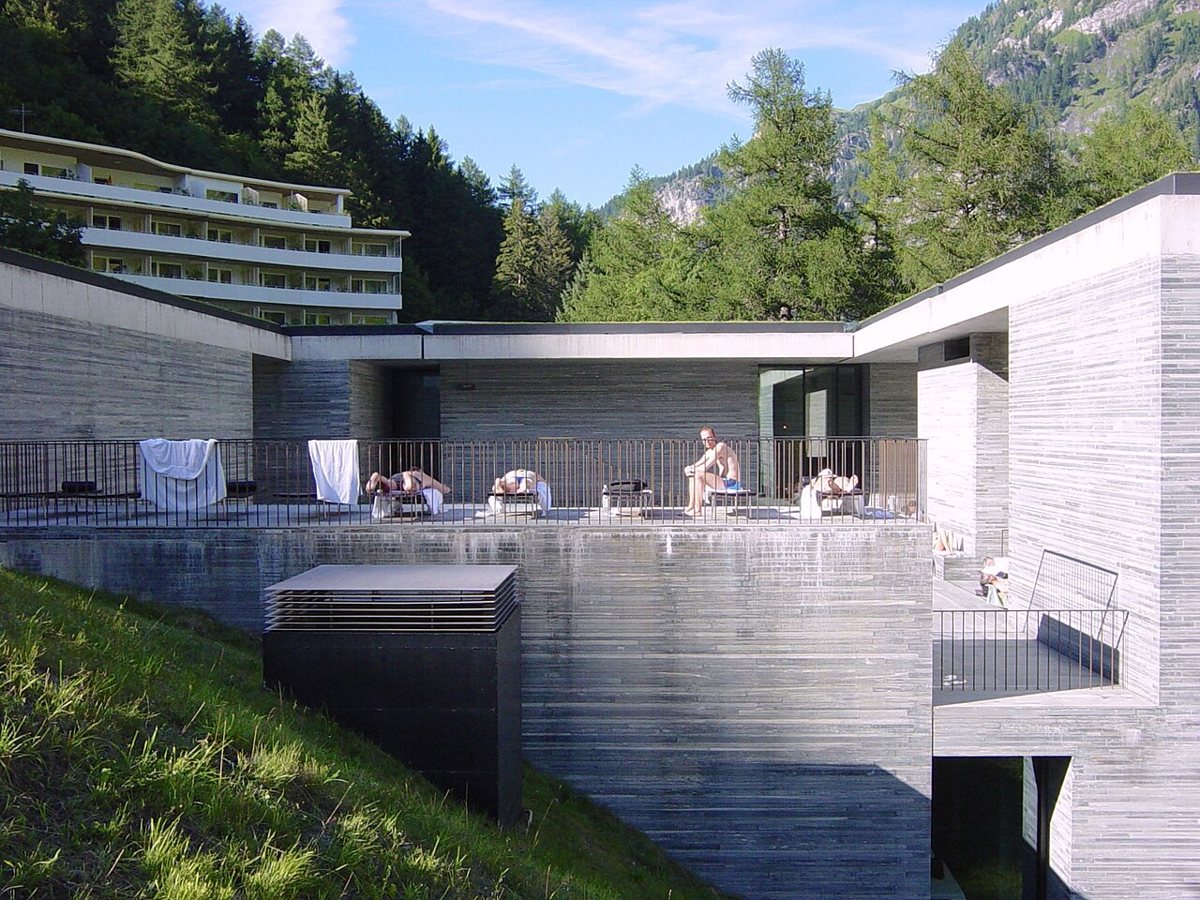
Architecture: Peter Zumthor.
Photograph: Gunnar Klack. CC BY-SA 4.0.
Architecture: Peter Zumthor.
Photograph: Gunnar Klack. CC BY-SA 4.0.
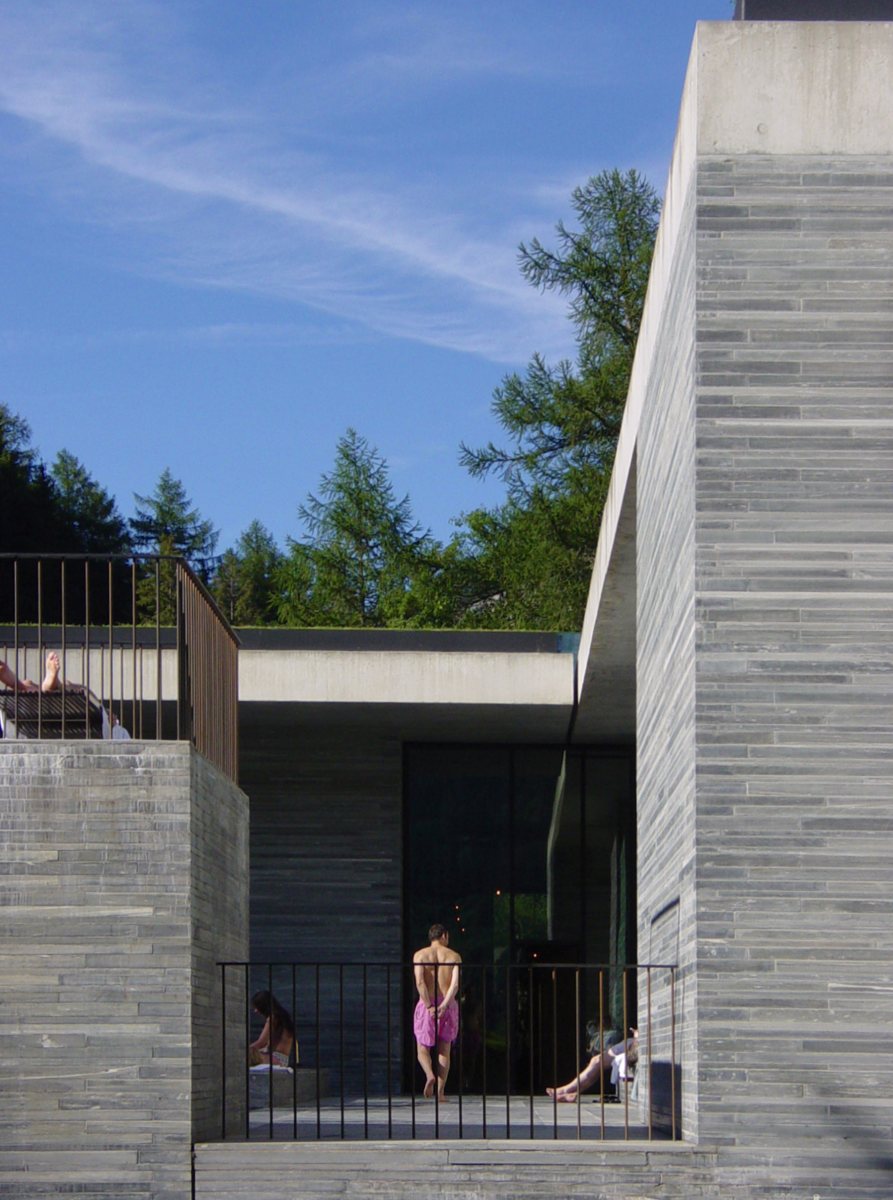
Architecture: Peter Zumthor.
Photograph: Gunnar Klack. CC BY-SA 4.0.
8 Homes and hotels learn from one another
A memorable hotel can teach us the pleasure of a carefully staged arrival, a comfortable chair beside a window and a bedside light placed exactly where it is needed. A home reminds hospitality designers of another quality: the sense that a space belongs to someone, with objects and habits that have accumulated over time. Bringing these perspectives together can create interiors with both ease and character. The 2027 opportunity, in our view, is to translate the attentive parts of hospitality into residential life while giving hotels more specific, locally grounded identities. That translation begins with the guest or resident’s routine.
At the House of Architects in Vals, Zumthor’s rooms provide a concrete example of character developed through a limited set of materials. The hotel describes stucco lustro surfaces in red, black and yellow, combined with hand-painted Habotai silk curtains. These details create a useful precedent for atmosphere that does not depend on a vast floor area. For a contemporary operator, the design must also work with housekeeping, luggage, lighting controls and the replacement of worn components. Those operational considerations protect the intended experience long after opening photography has been taken. [11]
In pictures · Trend 8
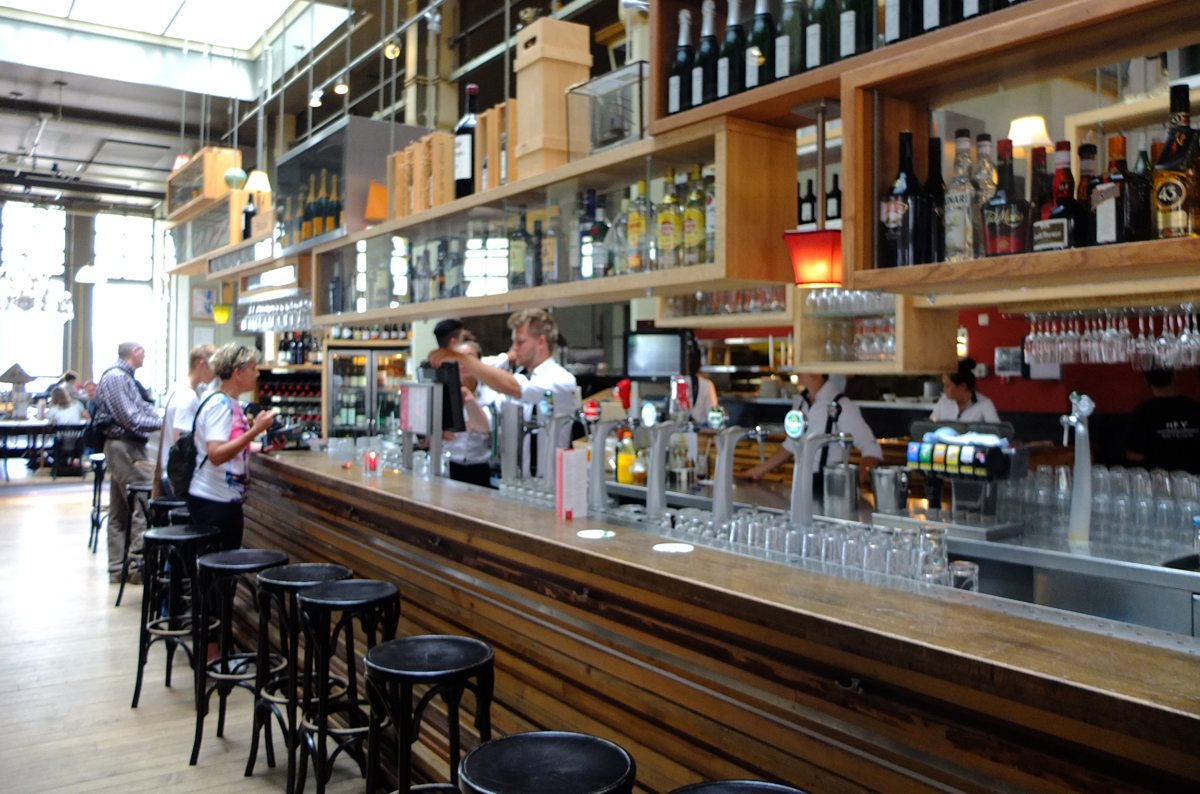
Photograph: G.Lanting. CC BY-SA 4.0.
Photograph: Cbliu. CC BY-SA 4.0.
Photograph: Shixart1985. CC BY 2.0.
9 A global design language finds a local expression
Lise Luxury’s audiences in the United States, the Netherlands, the UAE and Switzerland need not receive four disconnected definitions of luxury. They do, however, deserve interiors that respond to their actual buildings, climates and ways of living. The following are project considerations rather than claims about national taste. A large American home and a compact city apartment call for different furniture scales; a Dutch canal-house renovation may require careful work with existing proportions, access and daylight. Material warmth can connect these projects, while the plan determines how it is expressed.
In a UAE villa, the brief may include guest reception, family privacy and the management of strong sunlight, with outdoor comfort assessed for the particular site and season. In a Swiss alpine property, views, winter arrival and the transition from wet outdoor clothing to a comfortable interior may shape the design. Hotels add their own layers of guest expectations and operational requirements in every market. The same sculptural lamp or stone table will therefore enter a different conversation in each place. A coherent brand can travel internationally while allowing its pieces to participate in the life of a particular building.
In pictures · Trend 9
Architecture: Frank Lloyd Wright.
Photograph: w_lemay. CC BY-SA 2.0.
Architecture and original interior design: Gerrit Rietveld. Netherlands Open Air Museum.
Photograph: Txllxt TxllxT. CC BY-SA 4.0.
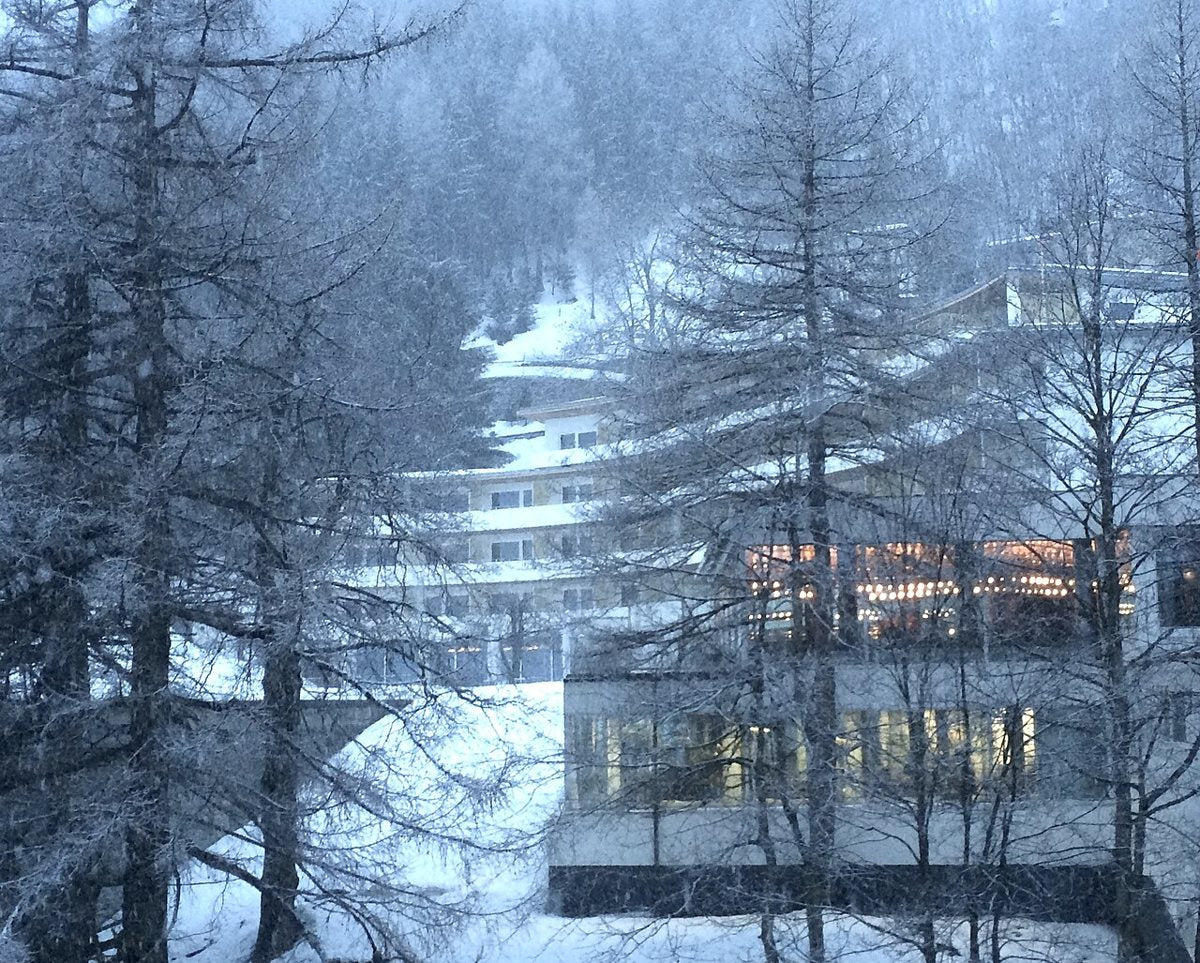
Photograph: Adrian Michael. CC BY-SA 3.0.
10 The most useful trend is the ability to keep a room
Forecasts are helpful when they sharpen a decision; they are less helpful when they make a convincing interior seem suddenly inadequate. TrendBible’s emphasis on adaptability and the recurring interest in material character suggest a more durable approach to the year ahead. Invest attention in the elements that are difficult to change, such as the plan, joinery and lighting infrastructure. Allow more freedom in upholstery, movable furniture and smaller objects, where changing preferences can be accommodated with less disruption. This is a design strategy informed by the forecasts, rather than a prediction that one particular aesthetic will prevail. [8]
For designers and architects, that approach makes the brief more demanding in a productive way. Ask how a surface will be maintained, whether a component can be replaced and how a room might serve someone differently in five years. For hotel operators, consider how the intended atmosphere will survive daily servicing and repeated occupation. For clients and property professionals, make the reasoning visible: explain why a material, dimension or lighting choice belongs in this building. Long-term value is easier to discuss responsibly when it refers to specific qualities and practical provision, rather than an assumed premium attached to a fashionable label.
In pictures · Trend 10
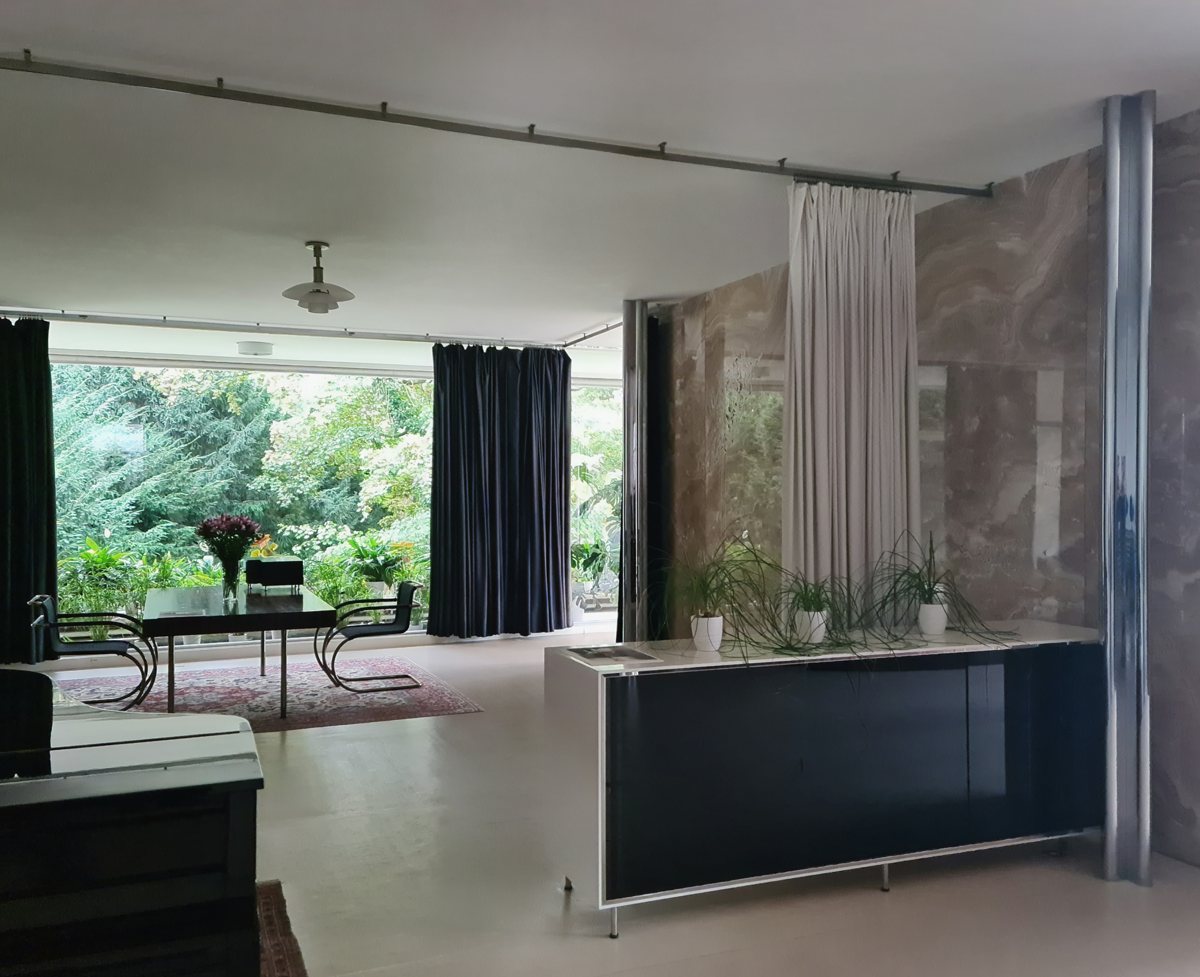
Architecture: Ludwig Mies van der Rohe. Furnishings: Mies, Lilly Reich and Sergius Ruegenberg.
Photograph: JensKunstfreund. CC BY-SA 4.0.
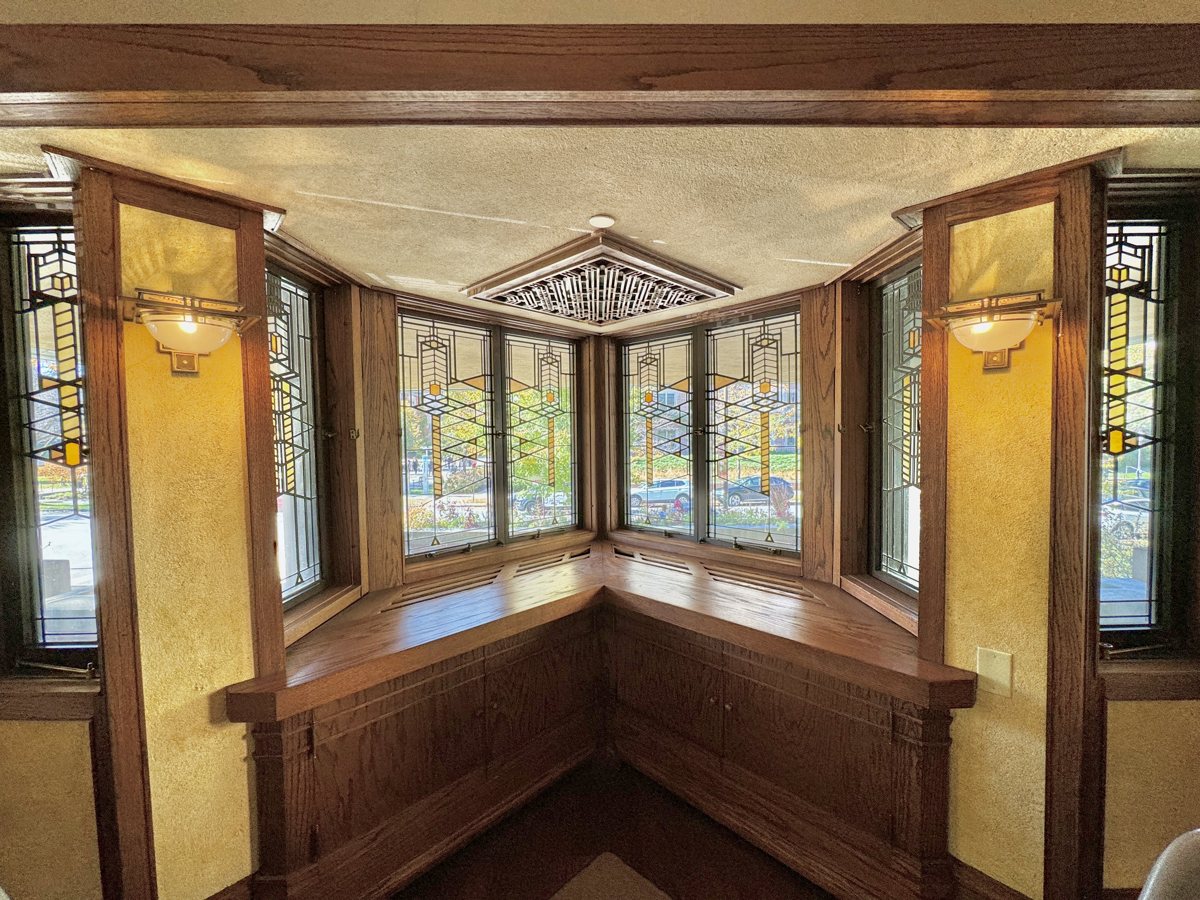
Architecture: Frank Lloyd Wright.
Photograph: w_lemay. CC BY-SA 2.0.
Furniture design: Charles and Ray Eames. Museum display photographed at the Art Institute of Chicago.
Photograph: Daniel Hartwig from San Jose, CA, USA. CC BY 2.0.
An interior that continues to unfold
By the end of our imagined evening, the room has become a setting for something more interesting than itself. Someone has moved a chair closer to the table; a conversation has outlasted dinner; the lamp is still lighting the page of an unfinished book. The interior design trends for 2027 become most persuasive at this scale of experience. Rich colour, expressive stone, sculptural furniture and tactile finishes matter because of the relationships they create, and because of the care with which they are made to work together. Luxury acquires depth when there is more to discover after the first impression.
That is the conversation we invite at Lise Luxury. Explore the Wabi Sabi collection for an introduction to organic forms and textured lighting, or consider bespoke customisation where a piece needs a particular dimension or finish. For a residential, hospitality or commercial interior, share your project so that product selection can be discussed in relation to the wider space. The aim is a considered interior whose proportions, materials and atmosphere continue to make sense in daily use.


.jpg)


.jpg)


.jpg)
.jpg)
.jpg)


_DSCF4076.jpg)

.jpg)
