Two cabinets of a similar size can require very different kinds of work. One may adapt an established design; another may need new drawings, carefully matched veneer, concealed hardware and installation against an uneven wall. A useful conversation about bespoke furniture cost begins with those differences. The quotation is a description of decisions, materials and responsibilities as much as it is a final number. Understanding its structure helps you decide where the investment matters most, while giving the maker a brief that can be developed with clarity from the beginning.

Separate design development from production
Ask whether the quotation includes a site visit, concept development, technical drawings and a defined number of revisions. Some makers incorporate this work into the overall price; others list it separately or charge for design before fabrication is commissioned. Both approaches can work when the arrangement is clear. A piece developed from the beginning may involve more exploration than an existing model adjusted in size. Establish what you will receive at each stage, when approval is required and how additional changes are priced. This makes the design process easier to follow and compare.

Materials bring choices beyond their names
The word oak, marble or brass does not describe a complete specification. Grade, thickness, selection, finish and the amount required can all affect a commission. A stone surface may need careful slab planning; a cabinet may require veneer arranged to create a continuous pattern. Ask which visible qualities the quotation covers and which variations remain part of the material. If a particular detail matters greatly, make it explicit. A clear reference sample and a shared selection process can help align the desired appearance with the practical work needed to achieve it.

Complexity lives in the details
A curved door, a recessed handle and an unusual junction can each require different tools, preparation or assembly methods. The interest of a detail lies partly in how seamlessly it belongs to the finished object, even when considerable work sits behind it. Ask the maker which parts of the design have the greatest effect on cost. This conversation can reveal opportunities to simplify a hidden element while preserving the feature you most enjoy. It can also explain why an apparently modest change affects more of the construction than its size suggests.
Include the journey into the room
Packing, transport, access arrangements, assembly and installation should be discussed before two quotations are treated as comparable. A freestanding table delivered to an accessible ground-floor room differs from fitted furniture installed within an occupied apartment. Heavy components or restricted access may require specialist planning. Clarify taxes, import charges where applicable, and which services are included for the destination. Ask how site readiness is defined and who coordinates with other trades. The full project budget should reflect the furniture in its intended place, with the agreed work completed around it.

Compare equivalent briefs
To compare proposals fairly, give each supplier the same dimensions, material expectations, drawings and installation information. Check whether samples, fittings, delivery and aftercare are included, and note where an allowance still needs confirmation. A lower or higher figure may reflect a different scope rather than a directly comparable offer. Invite questions and alternatives: the maker may suggest a construction or finish that serves the brief particularly well. For example, a cabinet proposal including site installation cannot be compared directly with the same cabinet supplied for collection. A useful comparison makes those differences visible. It helps you choose a partner whose process, proposed solution and communication suit the project.

Decide what deserves emphasis
A budget becomes more constructive when it reflects priorities. You might value a beautifully resolved handle that you touch every morning, additional storage in a difficult room, or a tabletop selected for its particular pattern. Identify those elements before deciding where to simplify. Ask for an itemised revision that shows how changes affect both cost and appearance, then approve the final specification together. Bespoke furniture offers a way to direct resources towards the relationships that matter in daily life. Understanding the quotation helps those choices become intentional, rather than a sequence of surprises.
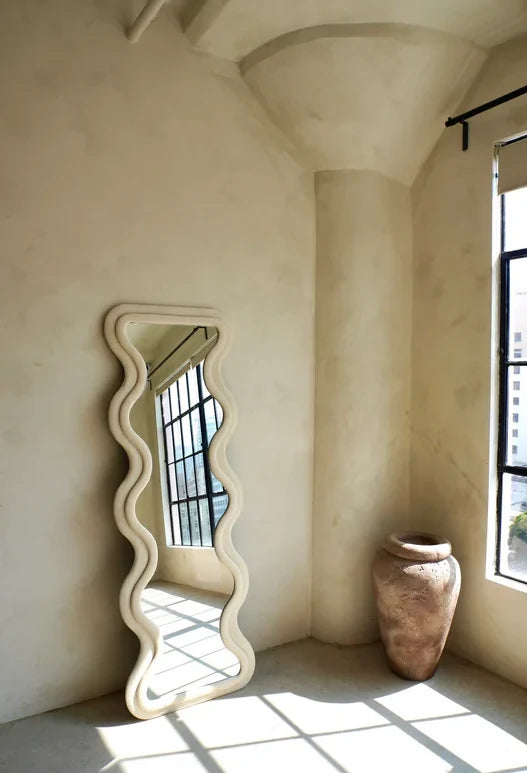
Editorial photographs illustrate materials and settings; pictured objects and interiors are not presented as Lise Luxury products or commissions.