The route to a room often contains a second design brief. A generous sofa might sit comfortably beside the window yet encounter a narrow stair landing on its way there. A stone table may fit the dining area while requiring a very particular approach to delivery. Measuring furniture properly therefore involves two related questions: how it will work in its final setting, and how it can arrive safely. A little preparation makes the conversation with the supplier more useful, especially in older houses, city apartments and buildings with shared access arrangements.
Measure the room as it is used
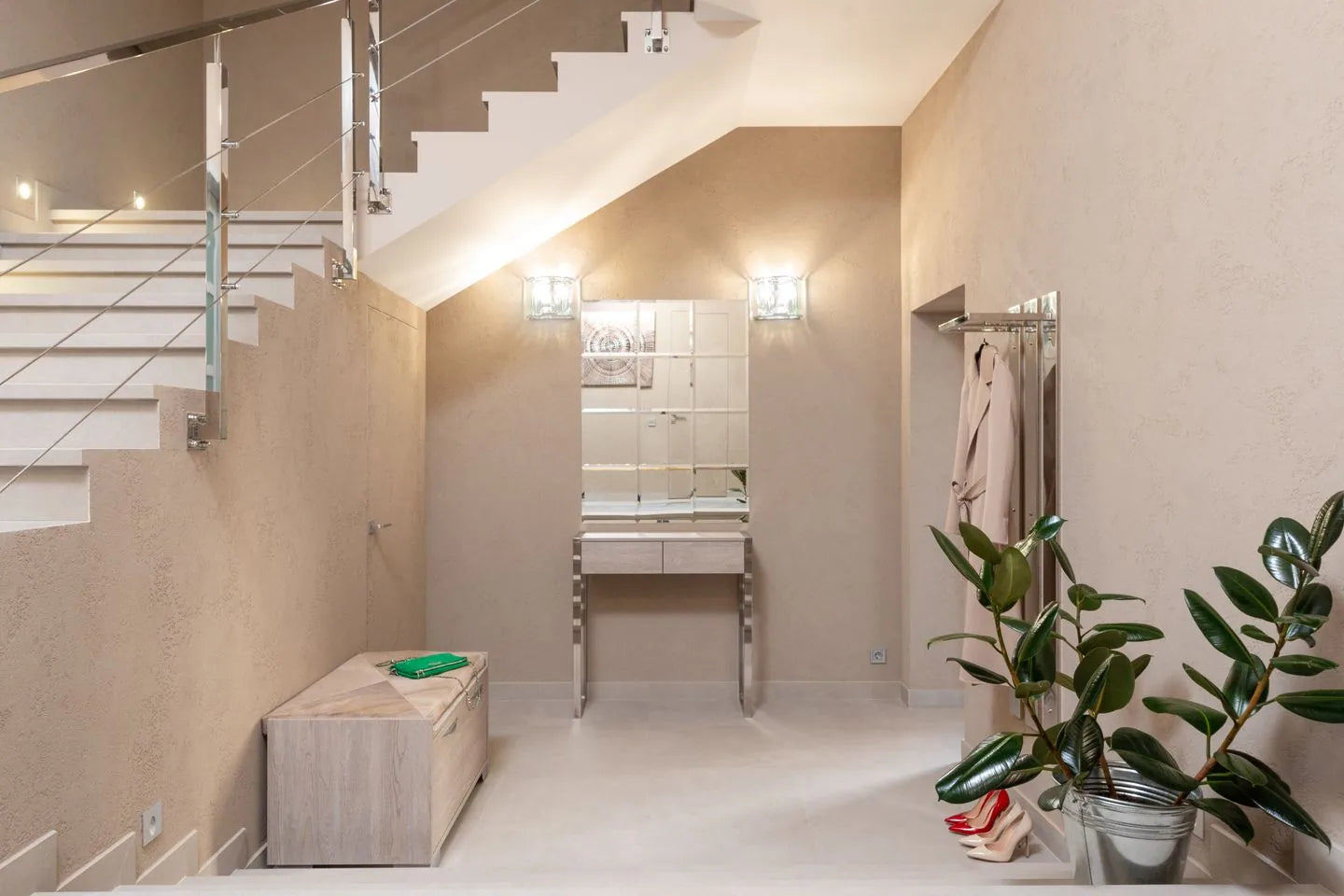
Record the available floor area, ceiling height and the position of doors, windows, radiators and fixed fittings. Include door swings and the space needed to open drawers or cabinet fronts. Then consider movement: the path from entrance to seating, the route around a dining table and any accessibility requirements particular to the people using the room. A furniture plan should show these relationships together. Marking the footprint on the floor can reveal a conflict that a product photograph cannot. Test it during an ordinary day, with surrounding furniture still in place.
Ask for more than the headline dimensions
Product width, depth and height describe the finished object, but delivery may depend on its packed dimensions or on the size of separate components. Ask which legs, arms, tops or bases are designed to detach, and who is authorised to assemble them. Upholstered furniture may also have a diagonal measurement relevant to a turn. Do not assume that a component can be removed because a fixing is visible. Request the supplier's specific access requirements for the product and pass them to the delivery team before confirming that the route is suitable.

Trace every restriction along the route
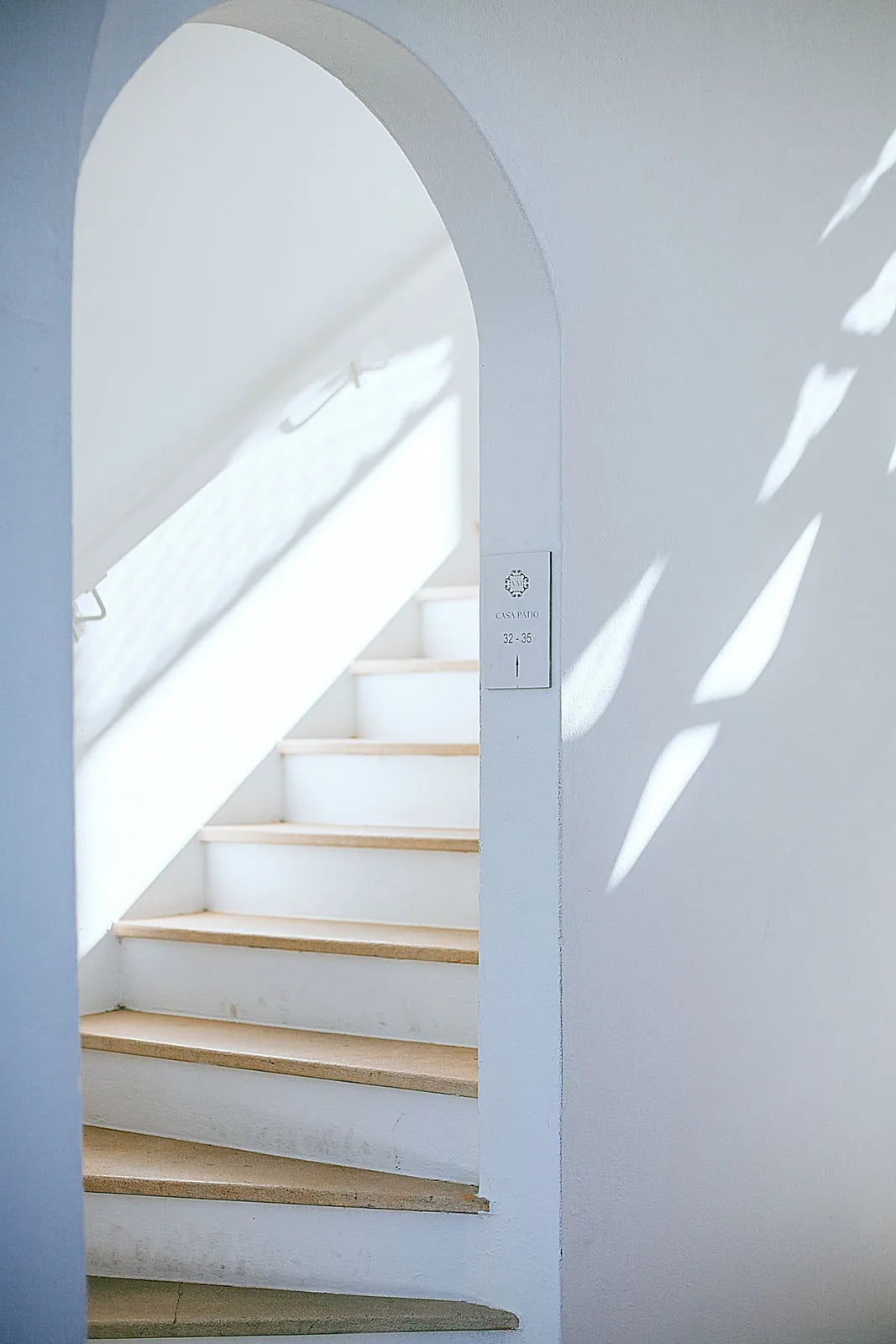
Begin where the vehicle can stop, then follow the full journey through gates, entrances, corridors, lifts and stairs. Measure the clear opening of each doorway, accounting for handles and other projections. Record landings, low ceilings, tight corners and the space available on either side of a turn. For lifts, confirm the door opening and internal dimensions, together with the building's applicable load and booking requirements. Photographs help communicate these conditions, but measurements remain essential. Give the supplier the complete route rather than identifying only its narrowest doorway.
Treat weight and handling as separate questions
A piece that appears to fit geometrically may still need specialist handling because of its weight, balance or fragility. Stone tops and large glazed objects deserve particular discussion. Ask the supplier how the item is intended to be carried and installed, and whether a professional site assessment is necessary. Avoid improvising lifting arrangements or relying on a simple diagonal calculation to authorise delivery. The team handling the object should confirm the method. In a building with unusual access, the practical solution needs to be agreed before the furniture begins its journey.
Coordinate the day of arrival
Check parking permissions, delivery hours, lift reservations and any requirements set by the building manager. Confirm whether the service includes unpacking, assembly, placement and removal of packaging, since these vary between providers. Prepare the room and agreed route, protecting finishes in the way the delivery team recommends. Keep the order details and access information available. If work is still taking place in the property, establish when the site will be ready. A delivery appointment works best when the furniture, people and space are all prepared for the same stage of the project.

An access record to send the supplier
| Record | Include |
|---|---|
| Product | Finished size, packed size and largest component |
| Entrance | Clear opening, projections and space on both sides |
| Turns | Corridor, landing and ceiling measurements with photographs |
| Lift | Door opening, interior size, load guidance and building booking rules |
| Handling | Weight and the supplier's proposed carrying or lifting method |
| Service | Parking, unpacking, assembly, placement and packaging responsibilities |
Send the complete route and ask the supplier or specialist delivery team to confirm feasibility. A list of dimensions is a useful starting point, not an authorisation to attempt an unassessed move.
Editorial photographs illustrate materials and settings; pictured objects and interiors are not presented as Lise Luxury products or commissions.