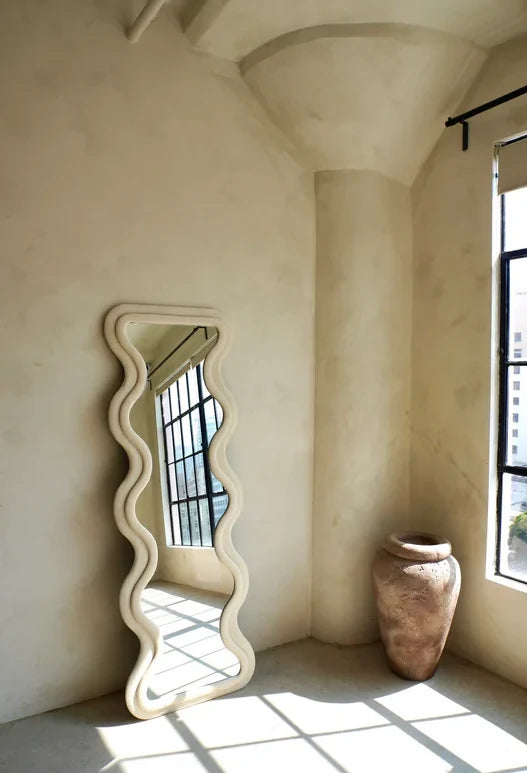
Beside an armchair, a simple block can change the character of an entire corner. A plinth side table creates a place for a cup or a book while introducing a distinct volume into the room. Its appeal comes from the relationship between proportion, material and setting: something apparently straightforward becomes interesting through the way light moves across it. Choosing one requires attention to those qualities alongside its everyday role. The most convincing piece feels useful at close range and composed from across the room, participating in the architecture without needing a large footprint.
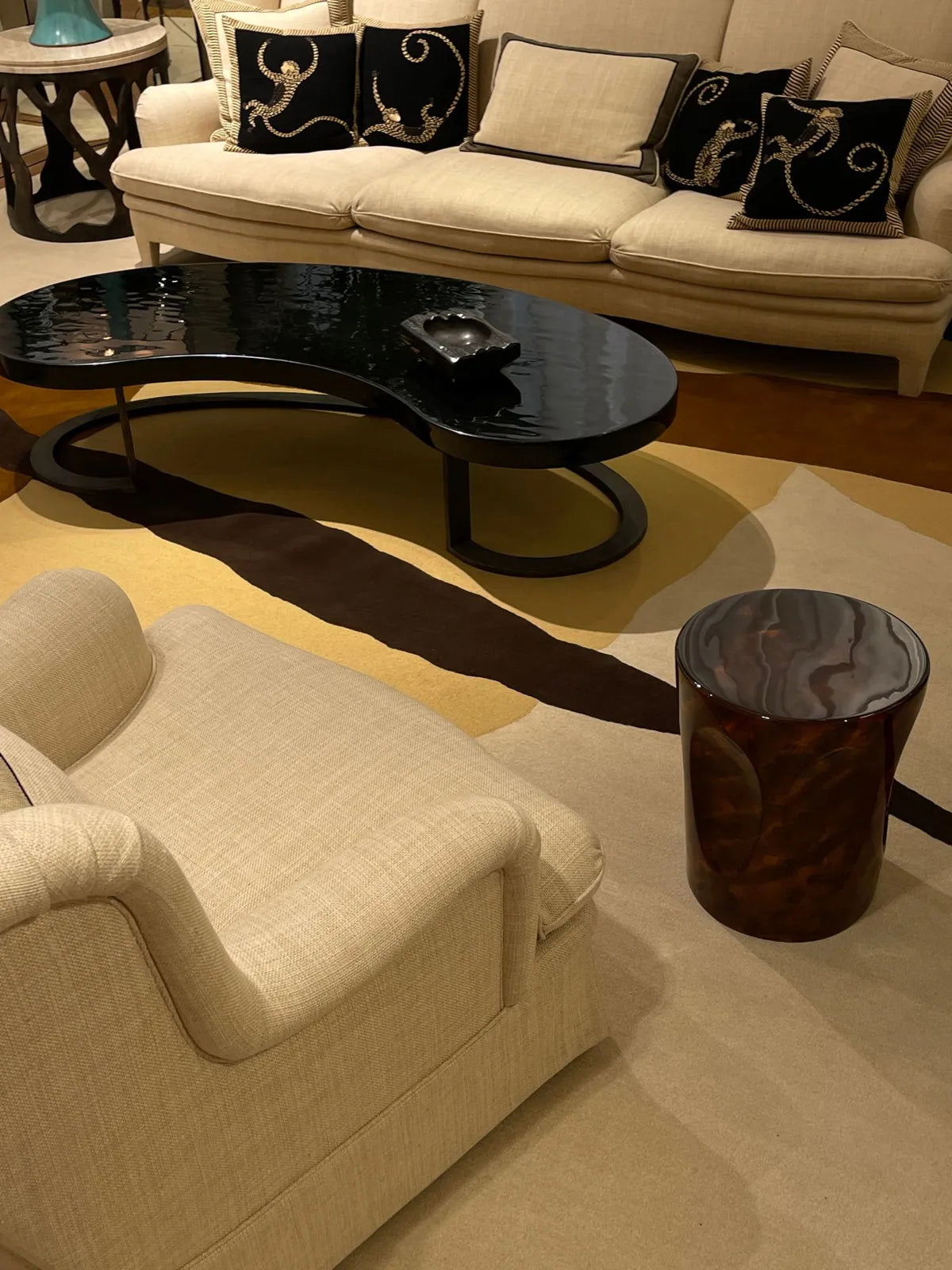
Begin at the height of the hand
Place a temporary surface beside the seat the table will serve and notice where your hand naturally reaches. The right height depends on the chair's arms, the way you sit and the objects you expect to place there. A beautiful volume becomes more satisfying when a glass can be set down comfortably. Check the usable top area rather than relying only on the overall dimensions. If the table will stand beside a bed, consider the mattress height and the position of switches or sockets as part of the same small arrangement.
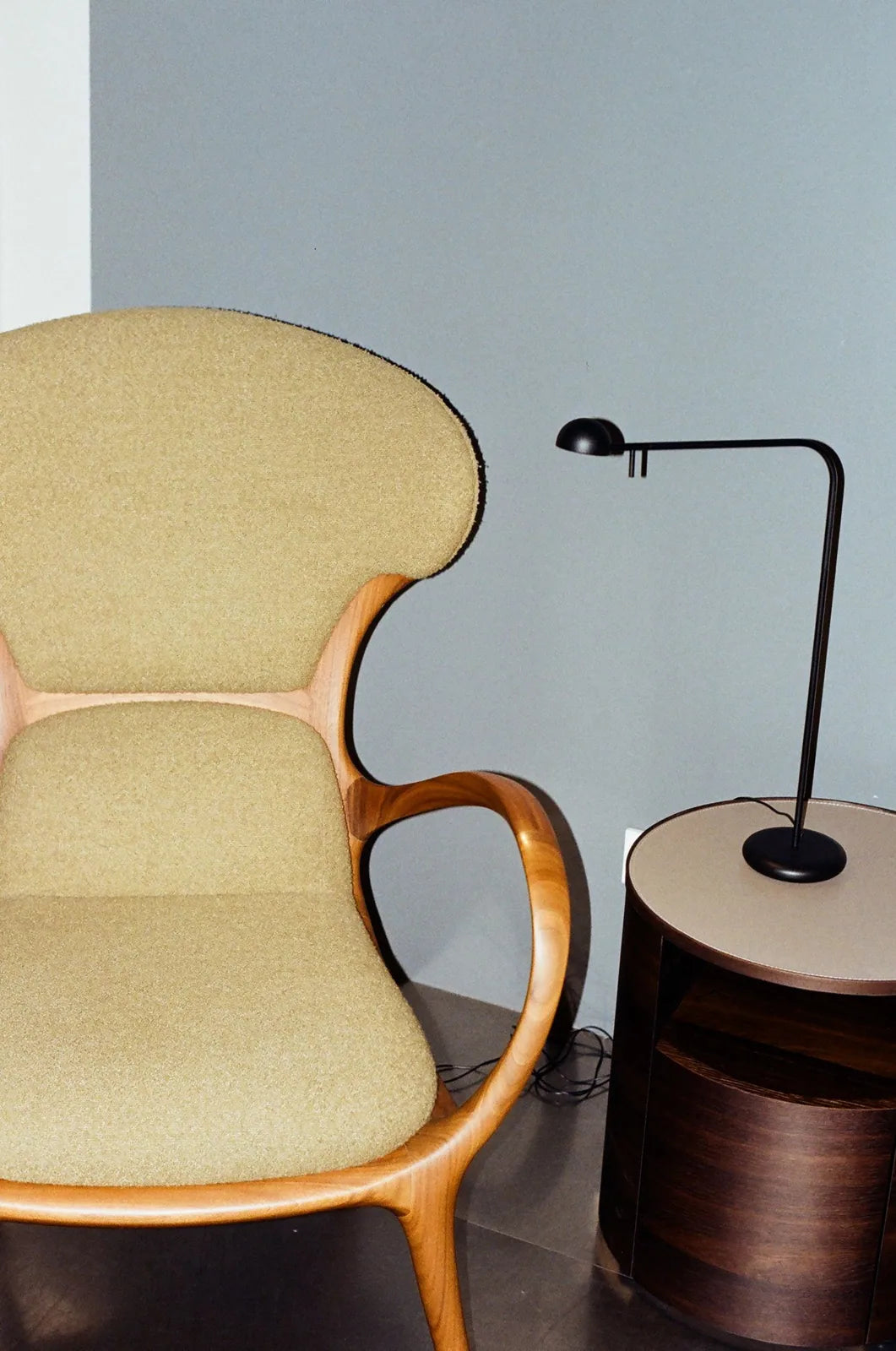
Read the material accurately
A plinth appearance can be achieved through several constructions, including solid material, stone-clad assemblies, timber or veneered structures. Ask the supplier what the piece is made from and how it is built, particularly where weight, handling and edges matter. A monolithic appearance does not necessarily mean that the object is solid throughout. The distinction helps establish appropriate expectations for delivery, movement and care. Where natural stone or timber is specified, clarify how colour and pattern vary between pieces and whether the actual item or material selection can be reviewed before ordering.
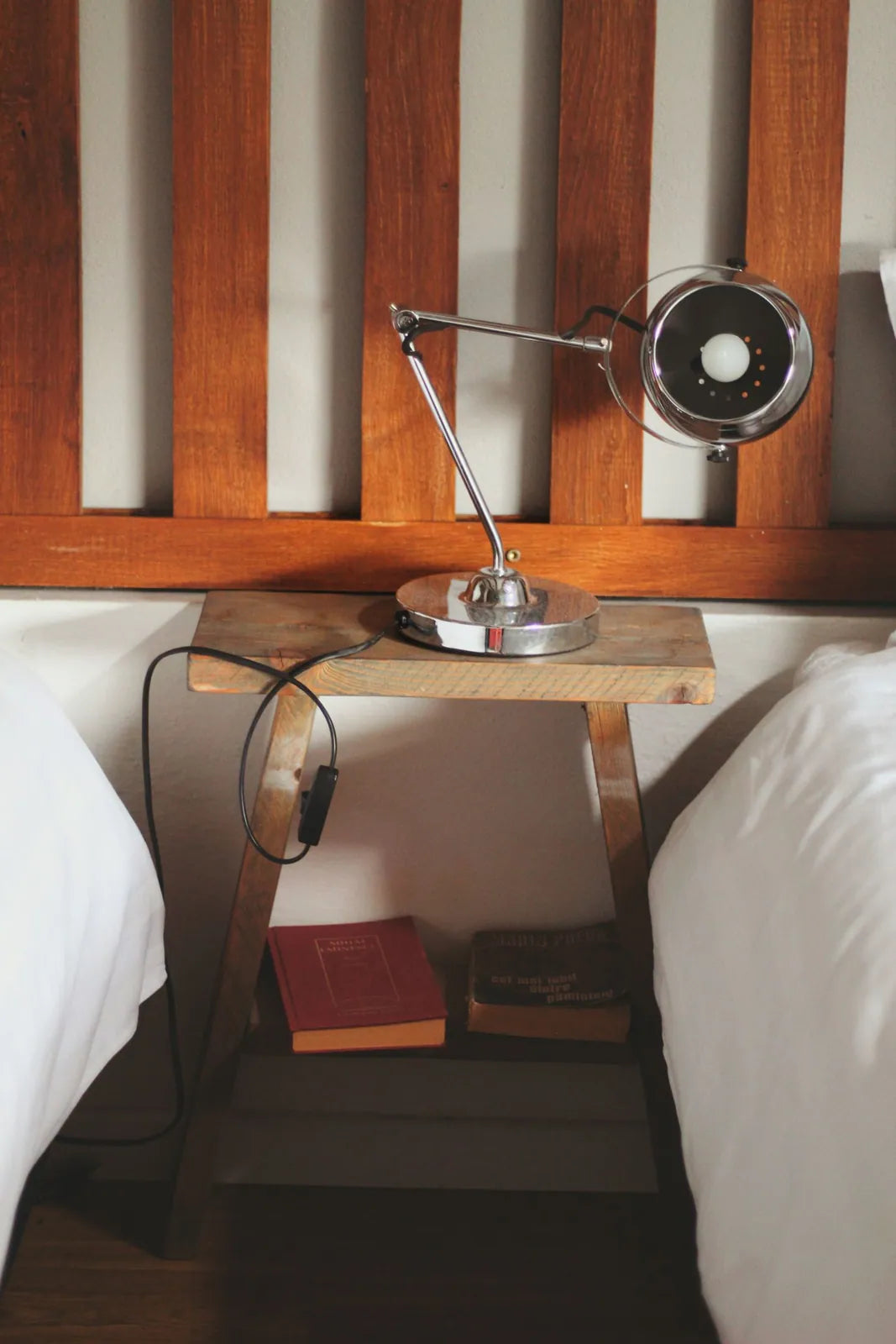
Let the surface establish the emphasis
A patterned stone can give a simple plinth an expressive presence, while a quieter surface draws attention towards its dimensions and outline. Look at the object beside the materials already in the room, including the floor and upholstery nearest to it. A sample seen alone may feel different when surrounded by warm timber or a richly coloured textile. Consider several viewing angles where the pattern continues around corners. The transitions between faces are part of the design, and they influence whether the piece reads as a single calm volume or a more animated composition.
Keep its role flexible
A plinth can serve as a side table, a platform for a favourite object or a point of emphasis at the end of a sofa. Those roles have different practical requirements. Check the supplier's intended use and load guidance before treating a decorative pedestal as a seat or placing a particularly heavy artwork on it. If you plan to move it between rooms, establish its weight and the recommended handling method. Flexibility comes from choosing a piece whose construction supports the roles you actually need, rather than assuming that a simple shape can perform every task.
Compose the objects above it
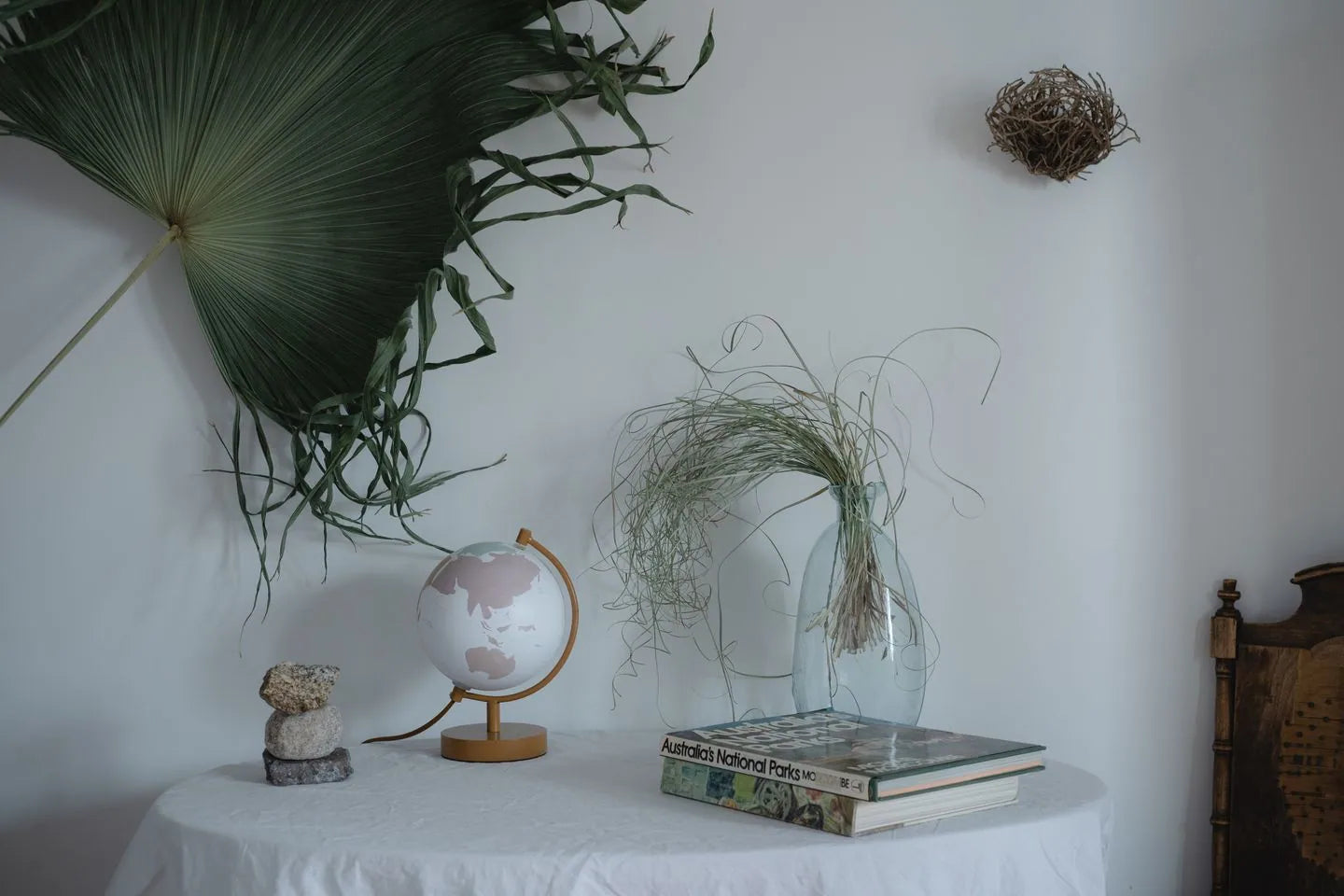
One vessel, a small stack of books or a lamp can give the table a sense of scale. Leave enough surface available for its everyday function, and check that a lamp's base fits securely without an awkward cable route. The objects need not repeat the plinth's geometry. A rounded ceramic form can create an appealing relationship with a rectangular base, while a stem or branch introduces a different rhythm. Pay attention to the whole height of the arrangement, particularly beside artwork or a window. The table and its contents should be read together.

A quiet point of connection
In a room full of larger pieces, a side table often does the work of joining them. It connects the chair to a light source, the sofa to a book, the architecture to the objects someone chooses to keep. A plinth makes that role particularly visible through its simple volume. Once the measurements, construction and care have been understood, there is room to enjoy the material itself. Its presence can be modest and memorable at the same time, becoming part of a corner that invites someone to sit down.
Editorial photographs illustrate materials and settings; pictured objects and interiors are not presented as Lise Luxury products or commissions.